
Female Musculoskeletal Pain
Personalized physiotherapy at home for female musculoskeletal pain — from back, neck and shoulder pain to hip, knee, muscle and joint problems affecting everyday life.
Pain can show up in many different ways
Musculoskeletal pain can affect one area or several parts of the body. Physiotherapy focuses on understanding the underlying movement and functional factors contributing to your symptoms.
Physiotherapy for common female musculoskeletal problems
Find What Is Driving Your Pain
Assessment considers your symptoms, movement patterns, strength, mobility, activity levels and functional goals rather than treating pain in isolation.
Individualized Exercise
Exercise selection depends on your condition, current capacity and goals. Your programme may include mobility, strengthening, motor-control and functional exercises.
Pain & Activity Management
We help you understand how to manage activity, modify aggravating movements and gradually return to the tasks that matter to you.
Build Long-Term Capacity
The goal is not simply short-term pain relief. Treatment can progress towards better strength, movement capacity and confidence with everyday activities.
What to expect during your physiotherapy assessment
Understand Your Symptoms
We discuss where your pain is, what aggravates it, how long it has been present and how it affects your life.
Physical Assessment
Relevant movement, mobility, strength and functional factors are assessed according to your symptoms.
Treatment Plan
Your programme is selected around your condition, physical capacity and individual goals.
Progressive Recovery
Treatment is progressed according to your response, functional improvement and return-to-activity goals.
Physiotherapy that fits around your life
We can discuss practical strategies for sitting, standing, workstation habits and movement breaks when these are relevant to your symptoms.
Lifting, bending, reaching and repetitive household activities can be modified according to your symptoms and physical capacity.
If pain has reduced your activity level, rehabilitation can progressively rebuild strength and tolerance for exercise.
The focus remains on helping you perform meaningful daily activities with greater confidence and less limitation.
Musculoskeletal pain is not always caused by one simple factor. A proper assessment matters before deciding which exercises or treatment approach are appropriate for you.
When pain needs medical assessment
Most musculoskeletal problems can be managed conservatively, but certain symptoms require prompt medical evaluation.
Female musculoskeletal pain, answered.
What is female musculoskeletal pain? +
What types of pain can physiotherapy treat? +
Can I get physiotherapy at home? +
Will physiotherapy only focus on my painful area? +
Do I need exercises for musculoskeletal pain? +
Can physiotherapy help me return to exercise? +
Is all female pain related to hormones or pregnancy? +
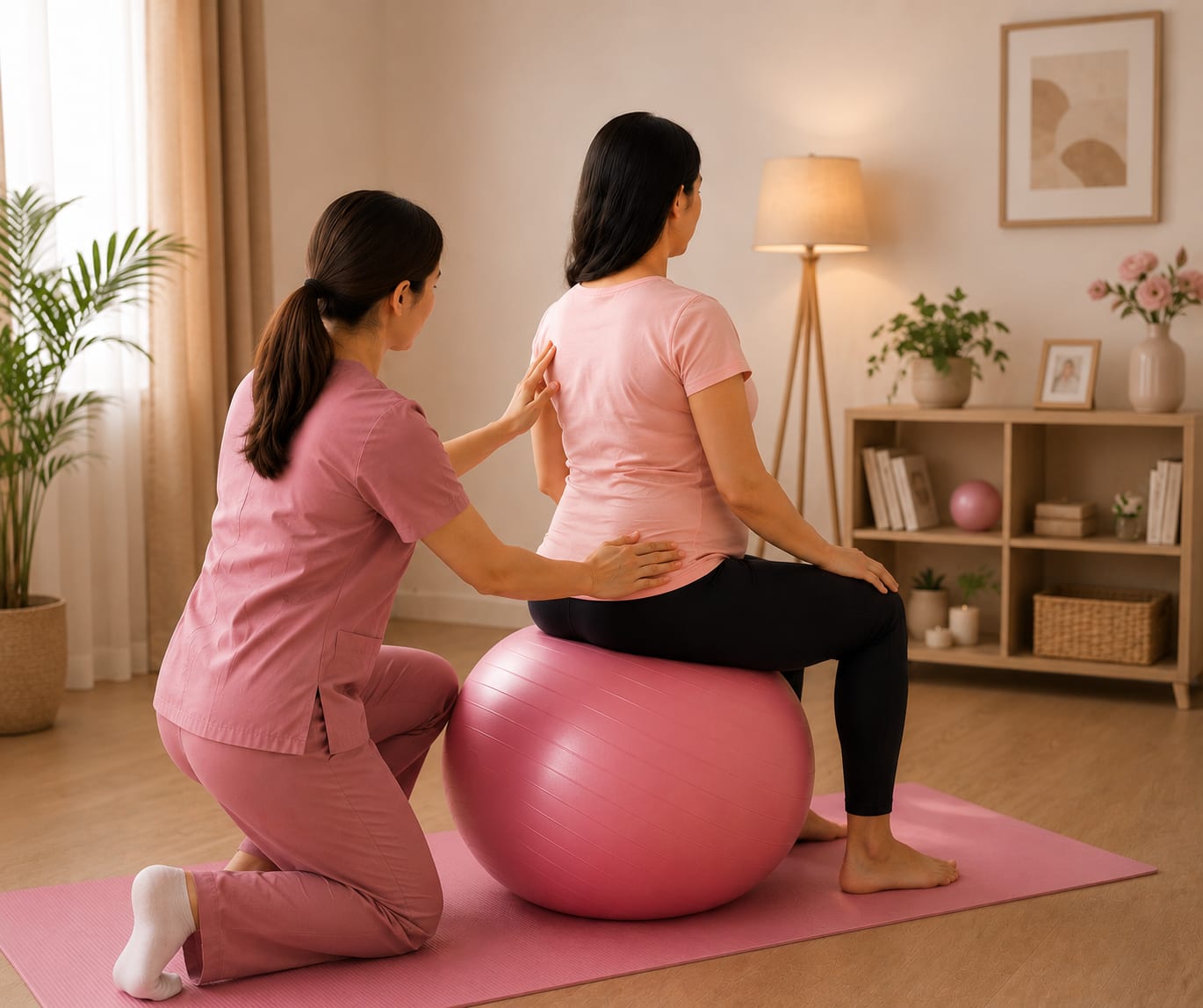
Home physiotherapy session — includes assessment and personalized care.
Move with greater confidence.
Book a home assessment for female musculoskeletal pain and begin a personalized physiotherapy programme designed around your symptoms, routine and goals.
Female Musculoskeletal Pain
Personalized physiotherapy at home for female musculoskeletal pain — from back, neck and shoulder pain to hip, knee, muscle and joint problems affecting everyday life.
Pain can show up in many different ways
Musculoskeletal pain can affect one area or several parts of the body. Physiotherapy focuses on understanding the underlying movement and functional factors contributing to your symptoms.
Physiotherapy for common female musculoskeletal problems
Find What Is Driving Your Pain
Assessment considers your symptoms, movement patterns, strength, mobility, activity levels and functional goals rather than treating pain in isolation.
Individualized Exercise
Exercise selection depends on your condition, current capacity and goals. Your programme may include mobility, strengthening, motor-control and functional exercises.
Pain & Activity Management
We help you understand how to manage activity, modify aggravating movements and gradually return to the tasks that matter to you.
Build Long-Term Capacity
The goal is not simply short-term pain relief. Treatment can progress towards better strength, movement capacity and confidence with everyday activities.
What to expect during your physiotherapy assessment
Understand Your Symptoms
We discuss where your pain is, what aggravates it, how long it has been present and how it affects your life.
Physical Assessment
Relevant movement, mobility, strength and functional factors are assessed according to your symptoms.
Treatment Plan
Your programme is selected around your condition, physical capacity and individual goals.
Progressive Recovery
Treatment is progressed according to your response, functional improvement and return-to-activity goals.
Physiotherapy that fits around your life
We can discuss practical strategies for sitting, standing, workstation habits and movement breaks when these are relevant to your symptoms.
Lifting, bending, reaching and repetitive household activities can be modified according to your symptoms and physical capacity.
If pain has reduced your activity level, rehabilitation can progressively rebuild strength and tolerance for exercise.
The focus remains on helping you perform meaningful daily activities with greater confidence and less limitation.
Musculoskeletal pain is not always caused by one simple factor. A proper assessment matters before deciding which exercises or treatment approach are appropriate for you.
When pain needs medical assessment
Most musculoskeletal problems can be managed conservatively, but certain symptoms require prompt medical evaluation.
Female musculoskeletal pain, answered.
What is female musculoskeletal pain? +
What types of pain can physiotherapy treat? +
Can I get physiotherapy at home? +
Will physiotherapy only focus on my painful area? +
Do I need exercises for musculoskeletal pain? +
Can physiotherapy help me return to exercise? +
Is all female pain related to hormones or pregnancy? +
Home physiotherapy session — includes assessment and personalized care.
Move with greater confidence.
Book a home assessment for female musculoskeletal pain and begin a personalized physiotherapy programme designed around your symptoms, routine and goals.