
Pelvic Floor Dysfunction
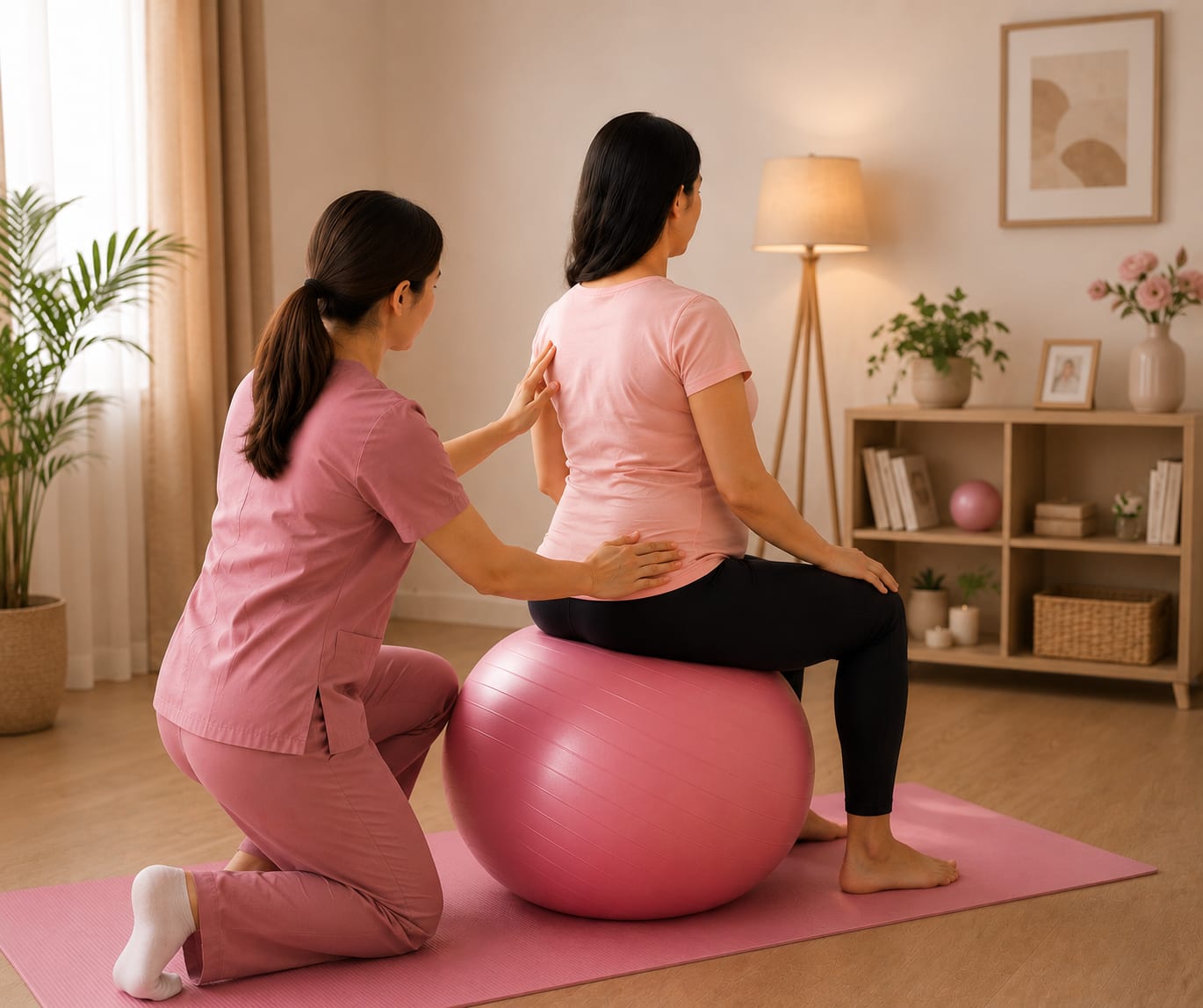
Personalized pelvic floor physiotherapy at home for bladder symptoms, pelvic heaviness, weakness, pelvic discomfort and postpartum pelvic floor concerns.
Symptoms you may recognize
Pelvic floor dysfunction can present in different ways. Symptoms may involve bladder control, bowel function, pelvic support, sexual function or pelvic pain.
Your pelvic floor needs an individualized approach
Pelvic Floor Assessment
We discuss your symptoms, medical and pregnancy history, daily activities and goals. Where appropriate, assessment considers your ability to contract and relax the pelvic floor.
Individualized Pelvic Floor Training
A pelvic floor programme is tailored to your ability, symptoms and goals. Training may focus on strength, endurance, coordination, relaxation or a combination.
Bladder & Bowel Strategies
Depending on your symptoms, rehabilitation may include practical strategies for bladder habits, urgency, activity and bowel-related factors that can influence pelvic floor symptoms.
Functional Rehabilitation
We connect pelvic floor control with real-life activities such as walking, lifting, exercising, coughing, sneezing and caring for your baby.
What to expect during your pelvic floor assessment
Discussion
We discuss your symptoms, health history, pregnancy or childbirth history and your personal goals.
Assessment
Your movement, breathing, abdominal control and relevant pelvic floor function are assessed according to your needs.
Personalized Plan
Your programme is designed around your symptoms, ability, comfort and rehabilitation goals.
Progression
Your programme is reviewed and progressed as your control, strength and confidence improve.
Better pelvic floor control should carry into daily life
Your physiotherapist can teach strategies to coordinate pelvic floor activity with everyday increases in abdominal pressure.
Pelvic floor symptoms should be considered when returning to exercise. Your programme can be progressed according to your symptoms and functional ability.
For some bladder symptoms, supported bladder retraining may be included alongside pelvic floor muscle training and other individualized strategies.
Pelvic floor control can be integrated into everyday lifting, carrying and household activities rather than practiced only as isolated exercises.
Pelvic floor dysfunction does not always mean the muscles are simply weak. Some people need strengthening, while others may need better relaxation, coordination or management of pelvic pain. Your treatment should therefore be based on an individual assessment.
When pelvic symptoms need medical assessment
Pelvic floor symptoms can have different causes. Seek medical assessment if you experience new, severe or unexplained symptoms, particularly:
Pelvic floor dysfunction, answered.
What is pelvic floor dysfunction? +
Can pelvic floor dysfunction be caused by pregnancy? +
Does pelvic floor dysfunction always mean weak muscles? +
Can physiotherapy help with urinary leakage? +
How long does pelvic floor physiotherapy take? +
Can pelvic floor physiotherapy be done at home? +
Is pelvic floor physiotherapy only for women after childbirth? +
Standard home physiotherapy session — includes assessment and personalized care.
Feel more confident in your body again.
Book a home assessment for pelvic floor dysfunction and begin a personalized physiotherapy programme based on your symptoms and goals.
Pelvic Floor Dysfunction
Personalized pelvic floor physiotherapy at home for bladder symptoms, pelvic heaviness, weakness, pelvic discomfort and postpartum pelvic floor concerns.
Symptoms you may recognize
Pelvic floor dysfunction can present in different ways. Symptoms may involve bladder control, bowel function, pelvic support, sexual function or pelvic pain.
Your pelvic floor needs an individualized approach
Pelvic Floor Assessment
We discuss your symptoms, medical and pregnancy history, daily activities and goals. Where appropriate, assessment considers your ability to contract and relax the pelvic floor.
Individualized Pelvic Floor Training
A pelvic floor programme is tailored to your ability, symptoms and goals. Training may focus on strength, endurance, coordination, relaxation or a combination.
Bladder & Bowel Strategies
Depending on your symptoms, rehabilitation may include practical strategies for bladder habits, urgency, activity and bowel-related factors that can influence pelvic floor symptoms.
Functional Rehabilitation
We connect pelvic floor control with real-life activities such as walking, lifting, exercising, coughing, sneezing and caring for your baby.
What to expect during your pelvic floor assessment
Discussion
We discuss your symptoms, health history, pregnancy or childbirth history and your personal goals.
Assessment
Your movement, breathing, abdominal control and relevant pelvic floor function are assessed according to your needs.
Personalized Plan
Your programme is designed around your symptoms, ability, comfort and rehabilitation goals.
Progression
Your programme is reviewed and progressed as your control, strength and confidence improve.
Better pelvic floor control should carry into daily life
Your physiotherapist can teach strategies to coordinate pelvic floor activity with everyday increases in abdominal pressure.
Pelvic floor symptoms should be considered when returning to exercise. Your programme can be progressed according to your symptoms and functional ability.
For some bladder symptoms, supported bladder retraining may be included alongside pelvic floor muscle training and other individualized strategies.
Pelvic floor control can be integrated into everyday lifting, carrying and household activities rather than practiced only as isolated exercises.
Pelvic floor dysfunction does not always mean the muscles are simply weak. Some people need strengthening, while others may need better relaxation, coordination or management of pelvic pain. Your treatment should therefore be based on an individual assessment.
When pelvic symptoms need medical assessment
Pelvic floor symptoms can have different causes. Seek medical assessment if you experience new, severe or unexplained symptoms, particularly:
Pelvic floor dysfunction, answered.
What is pelvic floor dysfunction? +
Can pelvic floor dysfunction be caused by pregnancy? +
Does pelvic floor dysfunction always mean weak muscles? +
Can physiotherapy help with urinary leakage? +
How long does pelvic floor physiotherapy take? +
Can pelvic floor physiotherapy be done at home? +
Is pelvic floor physiotherapy only for women after childbirth? +
Standard home physiotherapy session — includes assessment and personalized care.
Feel more confident in your body again.
Book a home assessment for pelvic floor dysfunction and begin a personalized physiotherapy programme based on your symptoms and goals.