
Diastasis Recti
Personalized physiotherapy at home for diastasis recti, helping improve abdominal control, strength and confidence with everyday movement after pregnancy and childbirth.
Signs you may notice after pregnancy
Diastasis recti can be associated with changes in abdominal appearance and function. A physiotherapy assessment can help determine how your abdominal wall is working during movement.
Rehabilitation focused on function, not just appearance
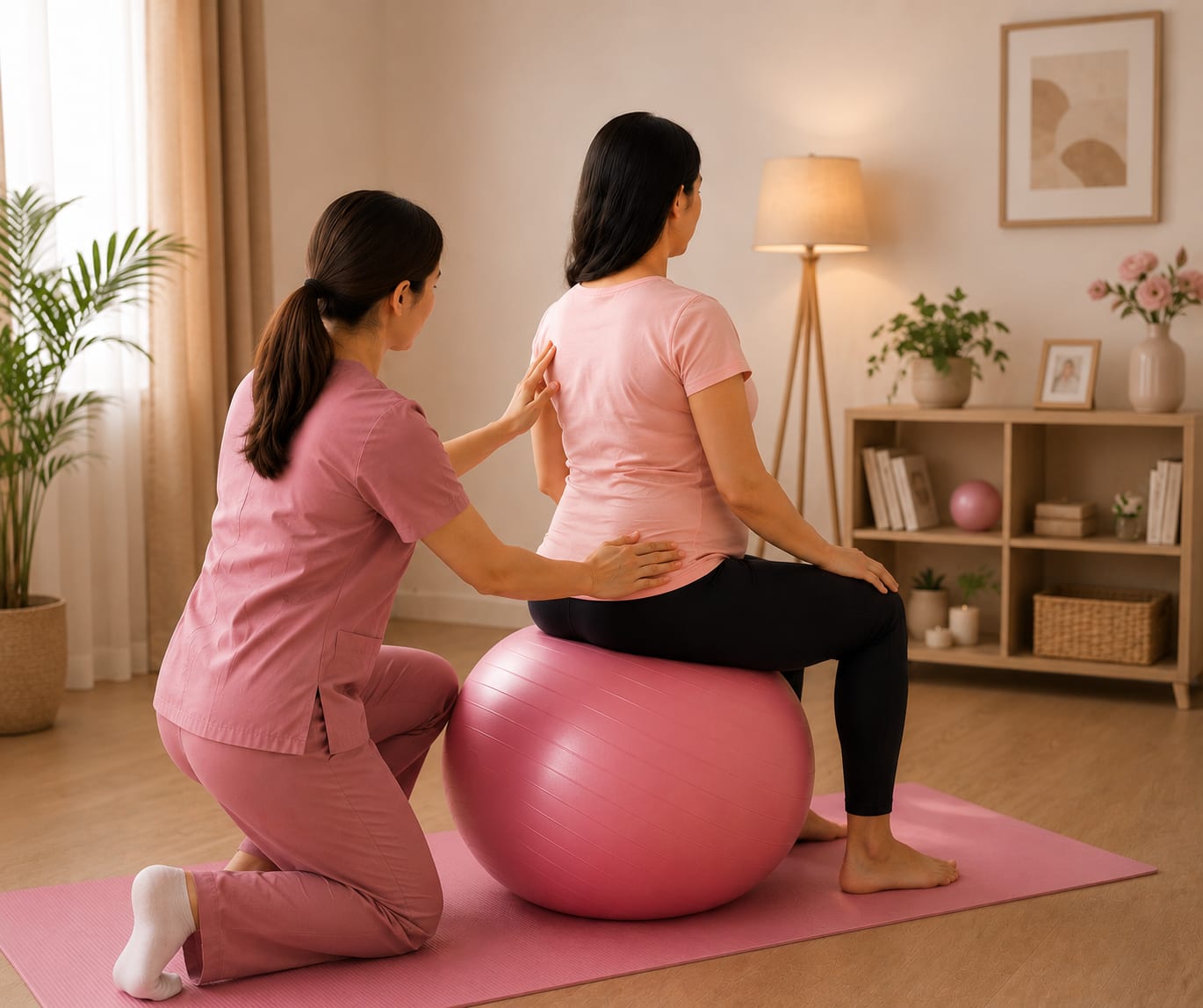
Abdominal Wall Assessment
We assess abdominal control, breathing, movement patterns and functional tasks to understand how your abdominal wall is responding during activity.
Individualized Core Rehabilitation
Exercises are selected according to your current ability, symptoms and goals, with emphasis on controlled movement and progressive strengthening.
Breathing & Pressure Management
Your physiotherapist can help you coordinate breathing and abdominal activation during movement and exercise rather than relying on excessive bracing or breath-holding.
Gradual Return to Exercise
Rehabilitation can progress from foundational control towards more demanding strengthening and exercise as your movement capacity improves.
What to expect during your diastasis recti assessment
History
We discuss your pregnancy, delivery, symptoms, current activity level and rehabilitation goals.
Assessment
Abdominal function, breathing, movement and relevant functional activities are assessed.
Personalized Plan
Your exercise programme is selected according to your current strength, control, symptoms and goals.
Progression
Exercises are gradually progressed as your control, strength and confidence improve.
Your core works throughout the day
Your physiotherapist can teach you comfortable strategies for getting up from bed or the floor while coordinating your breathing and abdominal control.
Lifting your baby and everyday objects can be gradually practiced with appropriate technique and progressive strengthening.
Coordinating breathing with abdominal and pelvic floor activity can help develop better control during everyday movement and exercise.
Exercise should progress according to your ability rather than following a one-size-fits-all routine. Your programme can be adjusted as your strength improves.
Diastasis recti is a change in the distance and tension between the abdominal muscles. The size of the gap alone does not determine how well your abdominal wall functions, so rehabilitation should consider strength, control, symptoms and everyday function.
When abdominal symptoms need medical assessment
Not every abdominal bulge or pain is caused by diastasis recti. Seek medical assessment if you notice concerning or unusual symptoms.
Diastasis recti, answered.
What is diastasis recti? +
Can physiotherapy help with diastasis recti? +
Does diastasis recti always cause pain? +
Can I exercise with diastasis recti? +
Is a larger abdominal gap always worse? +
Can diastasis recti improve after pregnancy? +
Can I get diastasis recti physiotherapy at home? +
Standard home physiotherapy session — includes assessment and personalized care.
Build strength from the inside out.
Book a home assessment for diastasis recti and begin a personalized physiotherapy programme for better core function.
Diastasis Recti
Personalized physiotherapy at home for diastasis recti, helping improve abdominal control, strength and confidence with everyday movement after pregnancy and childbirth.
Signs you may notice after pregnancy
Diastasis recti can be associated with changes in abdominal appearance and function. A physiotherapy assessment can help determine how your abdominal wall is working during movement.
Rehabilitation focused on function, not just appearance
Abdominal Wall Assessment
We assess abdominal control, breathing, movement patterns and functional tasks to understand how your abdominal wall is responding during activity.
Individualized Core Rehabilitation
Exercises are selected according to your current ability, symptoms and goals, with emphasis on controlled movement and progressive strengthening.
Breathing & Pressure Management
Your physiotherapist can help you coordinate breathing and abdominal activation during movement and exercise rather than relying on excessive bracing or breath-holding.
Gradual Return to Exercise
Rehabilitation can progress from foundational control towards more demanding strengthening and exercise as your movement capacity improves.
What to expect during your diastasis recti assessment
History
We discuss your pregnancy, delivery, symptoms, current activity level and rehabilitation goals.
Assessment
Abdominal function, breathing, movement and relevant functional activities are assessed.
Personalized Plan
Your exercise programme is selected according to your current strength, control, symptoms and goals.
Progression
Exercises are gradually progressed as your control, strength and confidence improve.
Your core works throughout the day
Your physiotherapist can teach you comfortable strategies for getting up from bed or the floor while coordinating your breathing and abdominal control.
Lifting your baby and everyday objects can be gradually practiced with appropriate technique and progressive strengthening.
Coordinating breathing with abdominal and pelvic floor activity can help develop better control during everyday movement and exercise.
Exercise should progress according to your ability rather than following a one-size-fits-all routine. Your programme can be adjusted as your strength improves.
Diastasis recti is a change in the distance and tension between the abdominal muscles. The size of the gap alone does not determine how well your abdominal wall functions, so rehabilitation should consider strength, control, symptoms and everyday function.
When abdominal symptoms need medical assessment
Not every abdominal bulge or pain is caused by diastasis recti. Seek medical assessment if you notice concerning or unusual symptoms.
Diastasis recti, answered.
What is diastasis recti? +
Can physiotherapy help with diastasis recti? +
Does diastasis recti always cause pain? +
Can I exercise with diastasis recti? +
Is a larger abdominal gap always worse? +
Can diastasis recti improve after pregnancy? +
Can I get diastasis recti physiotherapy at home? +
Standard home physiotherapy session — includes assessment and personalized care.
Build strength from the inside out.
Book a home assessment for diastasis recti and begin a personalized physiotherapy programme for better core function.