
Osteoporosis-Related Problems
Personalized physiotherapy at home for people living with osteoporosis or reduced bone strength, with a focus on strength, balance, posture and safe everyday movement.
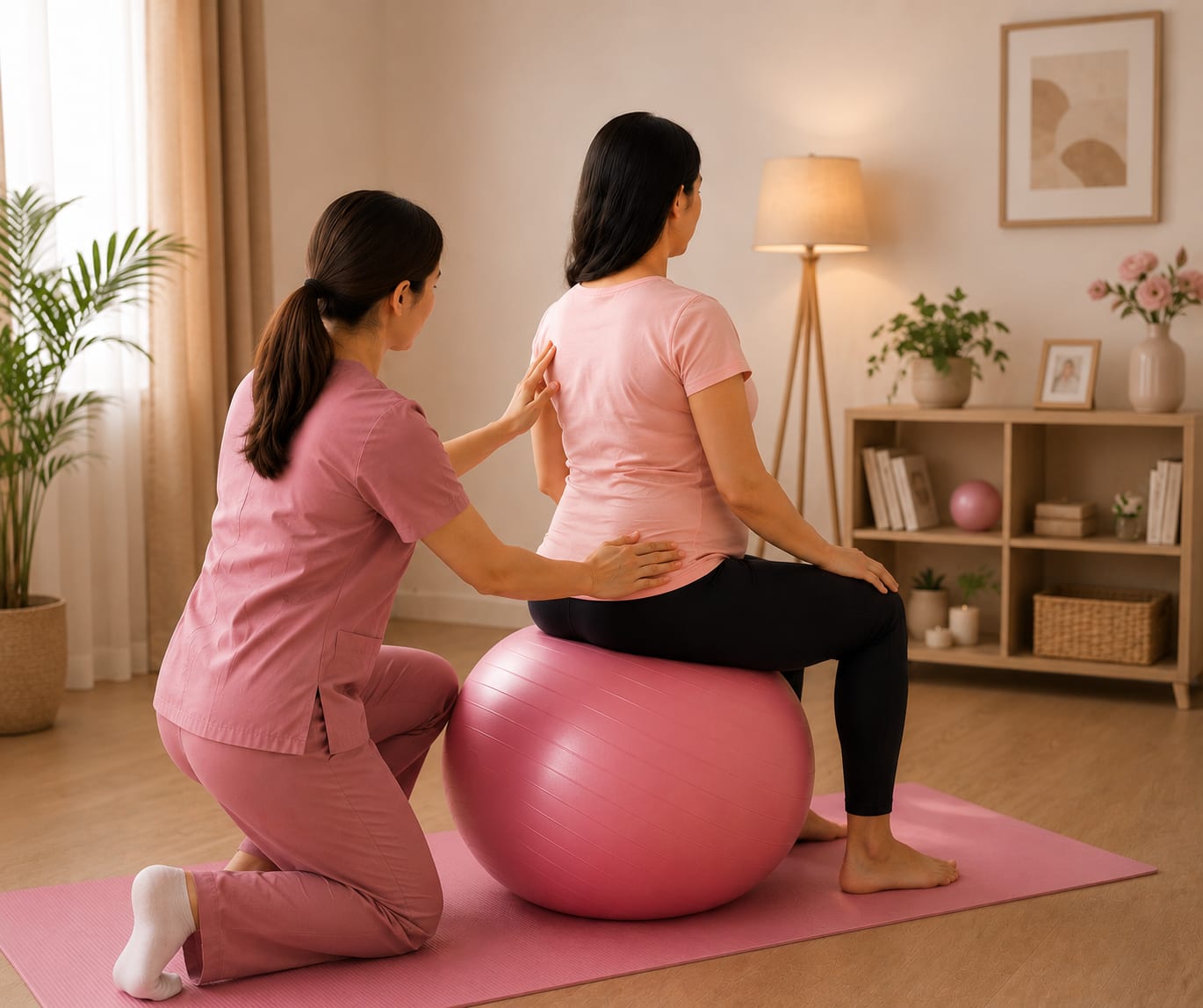
Osteoporosis can affect more than bone density
Reduced bone strength can influence confidence with movement, physical activity and everyday tasks. Physiotherapy can help address strength, balance and functional limitations safely.
Build the strength and confidence to move safely
Individual Movement Assessment
We assess relevant strength, mobility, balance, walking ability and functional movements to understand your current level of physical capacity.
Progressive Strengthening
Appropriate resistance exercises can help improve muscle strength and physical function. Exercise selection and progression are individualized to your condition and risk.
Balance & Fall-Risk Reduction
Balance and functional exercises can be incorporated to improve stability, confidence and safety during everyday activities.
Safe Functional Movement
Rehabilitation can focus on practical movements such as transfers, walking, stairs and everyday tasks while taking your bone health and individual limitations into account.
What to expect during your osteoporosis assessment
Health & Activity History
We discuss your bone-health history, current symptoms, activity level, previous injuries and functional concerns.
Functional Assessment
Relevant balance, strength, mobility and everyday movement tasks are assessed according to your individual needs.
Personalized Programme
Exercises are selected according to your physical capacity, symptoms, medical history and rehabilitation goals.
Gradual Progression
Strength, balance and functional exercises can be progressed gradually as your confidence and physical capacity improve.
Rehabilitation designed around real-life activities
Walking ability and endurance can be gradually improved while considering your balance, strength and individual limitations.
Sit-to-stand and other functional movements can be practiced to support independence and confidence with daily activities.
Appropriate strengthening and balance work can help improve confidence with stairs and other weight-bearing activities.
Balance, lower-limb strength and practical safety strategies can form part of an individualized fall-risk reduction plan.
Osteoporosis does not mean you should stop moving. Exercise needs to be appropriate and individualized, particularly when there is significant bone fragility, previous fracture or vertebral symptoms.
When pain or symptoms need medical assessment
New severe pain or symptoms following a fall or other incident should not simply be treated as ordinary muscle soreness.
Osteoporosis-related problems, answered.
Can physiotherapy help with osteoporosis? +
Should someone with osteoporosis exercise? +
Can strength training be done with osteoporosis? +
Can physiotherapy help prevent falls? +
Is osteoporosis the same as osteoarthritis? +
Can osteoporosis physiotherapy be done at home? +
What if I have already had a fracture? +
Home physiotherapy session — includes assessment and personalized care.
Stay strong. Move with confidence.
Book a home assessment for osteoporosis-related problems and begin a personalized physiotherapy programme focused on strength, balance, mobility and safe everyday movement.
Osteoporosis-Related Problems
Personalized physiotherapy at home for people living with osteoporosis or reduced bone strength, with a focus on strength, balance, posture and safe everyday movement.
Osteoporosis can affect more than bone density
Reduced bone strength can influence confidence with movement, physical activity and everyday tasks. Physiotherapy can help address strength, balance and functional limitations safely.
Build the strength and confidence to move safely
Individual Movement Assessment
We assess relevant strength, mobility, balance, walking ability and functional movements to understand your current level of physical capacity.
Progressive Strengthening
Appropriate resistance exercises can help improve muscle strength and physical function. Exercise selection and progression are individualized to your condition and risk.
Balance & Fall-Risk Reduction
Balance and functional exercises can be incorporated to improve stability, confidence and safety during everyday activities.
Safe Functional Movement
Rehabilitation can focus on practical movements such as transfers, walking, stairs and everyday tasks while taking your bone health and individual limitations into account.
What to expect during your osteoporosis assessment
Health & Activity History
We discuss your bone-health history, current symptoms, activity level, previous injuries and functional concerns.
Functional Assessment
Relevant balance, strength, mobility and everyday movement tasks are assessed according to your individual needs.
Personalized Programme
Exercises are selected according to your physical capacity, symptoms, medical history and rehabilitation goals.
Gradual Progression
Strength, balance and functional exercises can be progressed gradually as your confidence and physical capacity improve.
Rehabilitation designed around real-life activities
Walking ability and endurance can be gradually improved while considering your balance, strength and individual limitations.
Sit-to-stand and other functional movements can be practiced to support independence and confidence with daily activities.
Appropriate strengthening and balance work can help improve confidence with stairs and other weight-bearing activities.
Balance, lower-limb strength and practical safety strategies can form part of an individualized fall-risk reduction plan.
Osteoporosis does not mean you should stop moving. Exercise needs to be appropriate and individualized, particularly when there is significant bone fragility, previous fracture or vertebral symptoms.
When pain or symptoms need medical assessment
New severe pain or symptoms following a fall or other incident should not simply be treated as ordinary muscle soreness.
Osteoporosis-related problems, answered.
Can physiotherapy help with osteoporosis? +
Should someone with osteoporosis exercise? +
Can strength training be done with osteoporosis? +
Can physiotherapy help prevent falls? +
Is osteoporosis the same as osteoarthritis? +
Can osteoporosis physiotherapy be done at home? +
What if I have already had a fracture? +
Home physiotherapy session — includes assessment and personalized care.
Stay strong. Move with confidence.
Book a home assessment for osteoporosis-related problems and begin a personalized physiotherapy programme focused on strength, balance, mobility and safe everyday movement.