
Pregnancy-Related Pelvic Pain
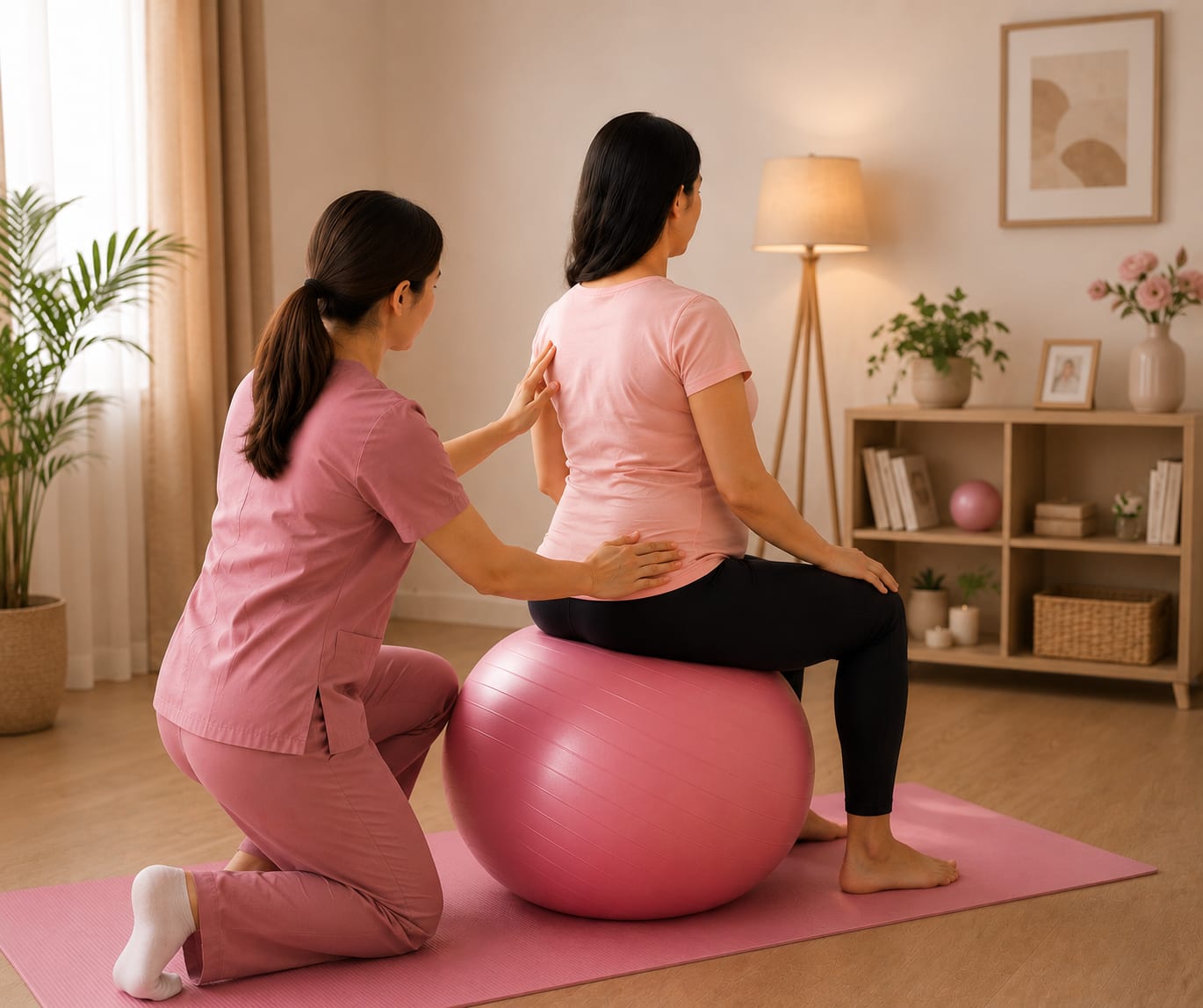
Move with more comfort, through pregnancy. Gentle, pregnancy-appropriate physiotherapy at home for pelvic girdle pain — helping you move more comfortably through everyday activities with a personalized treatment approach.
Signs you may recognize
Pregnancy-related pelvic girdle pain can affect the front or back of the pelvis and make everyday movements unexpectedly difficult.
A gentle approach to pelvic pain during pregnancy
Movement & Activity Guidance
Practical guidance on changing everyday movements and positions that may aggravate pelvic pain — including walking, stairs, dressing and getting in or out of a car.
Personalized Pregnancy-Safe Exercises
Individualized exercises may be used to support the abdominal, pelvic floor, hip and back muscles while respecting your pregnancy stage and comfort.
Pain Management & Support
Your physiotherapy plan may include pacing strategies, comfortable positioning and, when appropriate, discussion of pelvic support options to help you stay mobile.
What to expect in your first session
Booking
Share your symptoms, pregnancy stage and preferred time via call or WhatsApp.
Assessment
Your physiotherapist discusses your pain pattern, movement difficulties and functional limitations.
Personalized Plan
A plan is developed around your symptoms, pregnancy stage, comfort and healthcare guidance.
Ongoing Care
Follow-up sessions can be adjusted as your symptoms and pregnancy progress.
Small adjustments can make movement easier
If standing on one leg increases your pain, consider sitting down while dressing instead of balancing on one leg.
Keeping your knees together while getting in and out of the car may reduce uncomfortable separation of the legs.
A pillow between the legs can provide additional support. Your physiotherapist can also guide you towards more comfortable movement strategies.
Staying gently active can be helpful, while avoiding activities or movements that consistently make your symptoms worse. Pacing and regular changes of position may also help.
Pregnancy-related pelvic girdle pain is treatable, but pelvic pain during pregnancy can have different causes. Seek medical advice if you are unsure about your symptoms, particularly if the pain is severe, unusual or accompanied by other concerning pregnancy symptoms.
When pelvic pain needs medical attention
Pelvic pain during pregnancy should not simply be assumed to be pelvic girdle pain. Seek medical assessment if you experience concerning symptoms such as:
Pregnancy-related pelvic pain, answered.
What is pregnancy-related pelvic girdle pain? +
Is pelvic girdle pain harmful to my baby? +
Can physiotherapy help during pregnancy? +
Can I still walk and stay active? +
Can pelvic girdle pain improve before delivery? +
Can I have a normal vaginal birth with PGP? +
Standard home physiotherapy session — includes assessment and personalized care.
Make everyday movement more comfortable.
Book a home assessment for pregnancy-related pelvic pain and receive a personalized physiotherapy approach.
Pregnancy-Related Pelvic Pain
Move with more comfort, through pregnancy. Gentle, pregnancy-appropriate physiotherapy at home for pelvic girdle pain — helping you move more comfortably through everyday activities with a personalized treatment approach.
Signs you may recognize
Pregnancy-related pelvic girdle pain can affect the front or back of the pelvis and make everyday movements unexpectedly difficult.
A gentle approach to pelvic pain during pregnancy
Movement & Activity Guidance
Practical guidance on changing everyday movements and positions that may aggravate pelvic pain — including walking, stairs, dressing and getting in or out of a car.
Personalized Pregnancy-Safe Exercises
Individualized exercises may be used to support the abdominal, pelvic floor, hip and back muscles while respecting your pregnancy stage and comfort.
Pain Management & Support
Your physiotherapy plan may include pacing strategies, comfortable positioning and, when appropriate, discussion of pelvic support options to help you stay mobile.
What to expect in your first session
Booking
Share your symptoms, pregnancy stage and preferred time via call or WhatsApp.
Assessment
Your physiotherapist discusses your pain pattern, movement difficulties and functional limitations.
Personalized Plan
A plan is developed around your symptoms, pregnancy stage, comfort and healthcare guidance.
Ongoing Care
Follow-up sessions can be adjusted as your symptoms and pregnancy progress.
Small adjustments can make movement easier
If standing on one leg increases your pain, consider sitting down while dressing instead of balancing on one leg.
Keeping your knees together while getting in and out of the car may reduce uncomfortable separation of the legs.
A pillow between the legs can provide additional support. Your physiotherapist can also guide you towards more comfortable movement strategies.
Staying gently active can be helpful, while avoiding activities or movements that consistently make your symptoms worse. Pacing and regular changes of position may also help.
Pregnancy-related pelvic girdle pain is treatable, but pelvic pain during pregnancy can have different causes. Seek medical advice if you are unsure about your symptoms, particularly if the pain is severe, unusual or accompanied by other concerning pregnancy symptoms.
When pelvic pain needs medical attention
Pelvic pain during pregnancy should not simply be assumed to be pelvic girdle pain. Seek medical assessment if you experience concerning symptoms such as:
Pregnancy-related pelvic pain, answered.
What is pregnancy-related pelvic girdle pain? +
Is pelvic girdle pain harmful to my baby? +
Can physiotherapy help during pregnancy? +
Can I still walk and stay active? +
Can pelvic girdle pain improve before delivery? +
Can I have a normal vaginal birth with PGP? +
Standard home physiotherapy session — includes assessment and personalized care.
Make everyday movement more comfortable.
Book a home assessment for pregnancy-related pelvic pain and receive a personalized physiotherapy approach.