
Postural Problems?
Move Better. Feel More Comfortable.
Individualized physiotherapy to address movement limitations, strength deficits, mobility restrictions and functional factors associated with postural problems.
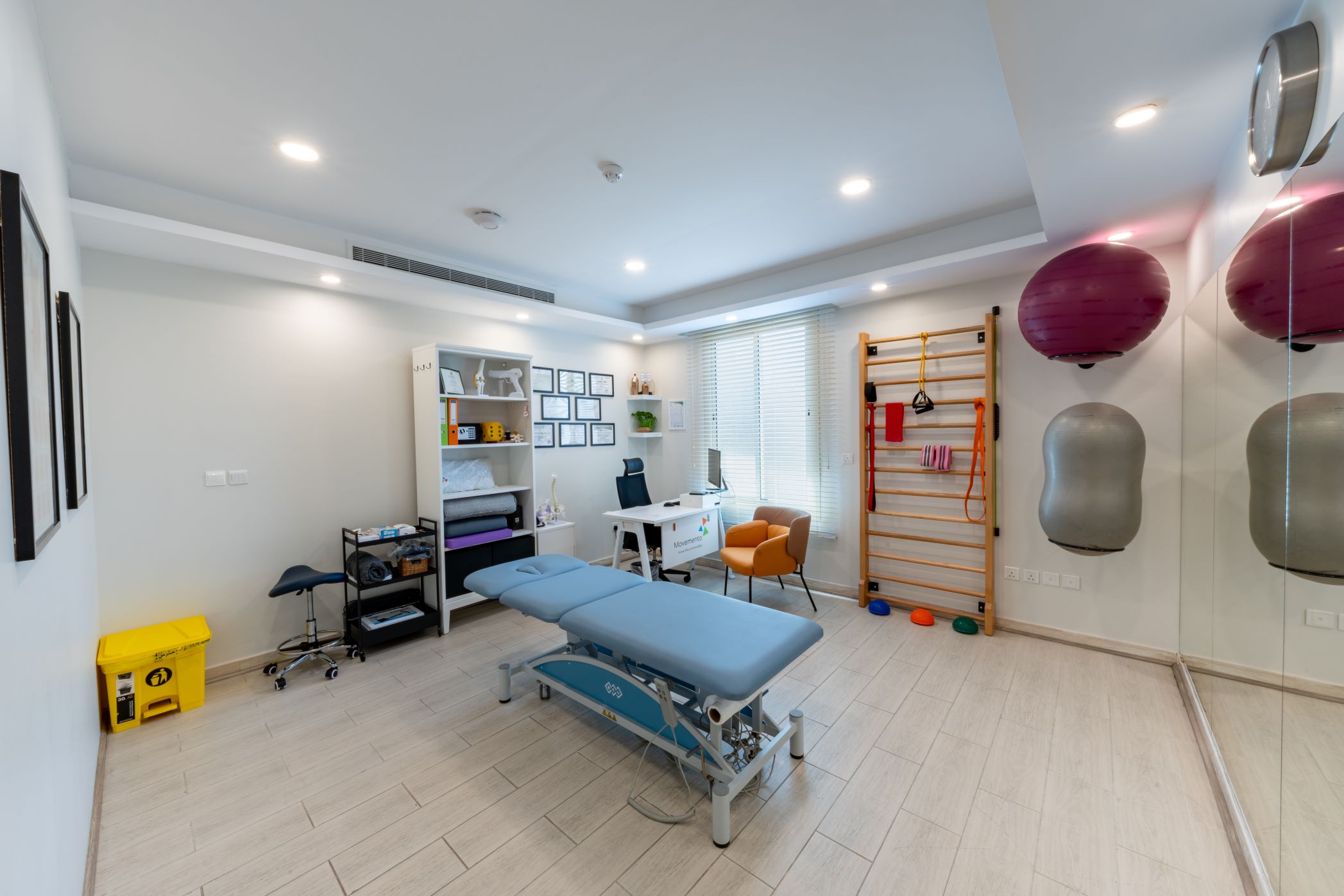
Good posture is not about holding one perfect position.
Posture naturally changes as we sit, stand, walk, reach and perform everyday activities.
Postural problems may become relevant when pain, stiffness, weakness, reduced mobility or difficulty controlling movement affect how a person performs daily activities.
Physiotherapy focuses on the person's symptoms, movement capacity and functional goals rather than simply trying to maintain a single posture.
What May Contribute to Postural Problems?
Posture can be influenced by several physical and functional factors that may interact with each other.
Muscle Weakness
Reduced strength may affect the ability to control positions and movement during everyday activities.
Reduced Mobility
Limited movement in relevant joints may influence movement strategies and functional positions.
Prolonged Sitting
Long periods in the same position can contribute to stiffness and discomfort in some individuals.
Pain
Pain may change how a person positions or moves their body during daily activities.
Poor Movement Control
Difficulty controlling movement can influence how the body adapts during functional tasks.
Repetitive Activities
Repeated occupational, recreational or daily activities may place specific demands on the musculoskeletal system.
First Understand How You Move
Assessment looks at relevant physical and functional factors rather than judging posture from appearance alone.
Postural Observation
Relevant standing, sitting or movement positions may be observed according to the person's symptoms and goals.
Joint Mobility
Relevant range of motion may be assessed when mobility restrictions could influence functional movement.
Muscle Strength
Strength may be assessed to identify limitations affecting movement control and functional capacity.
Movement Control
Functional movements can help identify relevant movement strategies and compensations.
Pain & Symptoms
Symptoms are considered alongside movement findings to understand their impact on daily activities.
Daily Activities
Work, sitting, standing, walking and other relevant activities may be considered during assessment.
Build Better Movement Through Active Rehabilitation
Treatment is individualized according to symptoms, physical findings, activity demands and functional goals.
Strength Training
Progressive strengthening can improve the capacity required for functional movement and control.
Mobility Exercises
Appropriate mobility exercises may address relevant restrictions affecting movement.
Movement Retraining
Functional movement practice can help develop better control during relevant activities.
Ergonomic Advice
Appropriate changes to work and daily activity habits may help manage physical demands.
Posture Is Only One Part of the Picture
Comfortable and efficient movement depends on strength, mobility, control, activity demands and individual factors.
Strength
Adequate strength supports control during standing, walking and other functional activities.
Mobility
Appropriate joint movement allows the body to adapt between different functional positions.
Movement Control
Coordinated movement helps the body manage changing physical demands during daily tasks.
Activity Habits
Regular movement and appropriate activity variation may support physical function.
Work Demands
Occupational tasks can influence the physical demands placed on the body.
Symptoms
Pain, stiffness and other symptoms may influence how a person naturally moves and positions themselves.
The Goal Is Not a Perfect Posture. It Is Better Function.
Rehabilitation focuses on helping you move comfortably, confidently and effectively during the activities that matter to you.
Comfortable Sitting
Improve tolerance for relevant sitting activities.
Better Standing
Improve functional control during standing tasks.
Easier Walking
Support efficient movement during walking.
Better Reaching
Improve movement during relevant reaching tasks.
Workplace Function
Address movement demands relevant to work.
Daily Independence
Work toward meaningful everyday movement goals.
Postural Rehabilitation Should Be Individualized
Exercise-based rehabilitation, strengthening, mobility work and functional movement training may be used according to the individual's symptoms, physical findings and goals.
Individualized Postural & Movement Rehabilitation
Physiotherapy can focus on improving relevant physical capacity and helping the person develop sustainable movement strategies for everyday activities.
Explore NICE GuidanceReady to Move Better?
Get individualized physiotherapy and rehabilitation support at home across Noida, Greater Noida and Noida Extension.
Clinical Evidence & References
-
NICE — National Institute for Health and Care Excellence.
Clinical guidance and rehabilitation recommendations.
NICE -
World Health Organization — Rehabilitation.
WHO Rehabilitation
Postural Problems?
Move Better. Feel More Comfortable.
Individualized physiotherapy to address movement limitations, strength deficits, mobility restrictions and functional factors associated with postural problems.
Good posture is not about holding one perfect position.
Posture naturally changes as we sit, stand, walk, reach and perform everyday activities.
Postural problems may become relevant when pain, stiffness, weakness, reduced mobility or difficulty controlling movement affect how a person performs daily activities.
Physiotherapy focuses on the person's symptoms, movement capacity and functional goals rather than simply trying to maintain a single posture.
What May Contribute to Postural Problems?
Posture can be influenced by several physical and functional factors that may interact with each other.
Muscle Weakness
Reduced strength may affect the ability to control positions and movement during everyday activities.
Reduced Mobility
Limited movement in relevant joints may influence movement strategies and functional positions.
Prolonged Sitting
Long periods in the same position can contribute to stiffness and discomfort in some individuals.
Pain
Pain may change how a person positions or moves their body during daily activities.
Poor Movement Control
Difficulty controlling movement can influence how the body adapts during functional tasks.
Repetitive Activities
Repeated occupational, recreational or daily activities may place specific demands on the musculoskeletal system.
First Understand How You Move
Assessment looks at relevant physical and functional factors rather than judging posture from appearance alone.
Postural Observation
Relevant standing, sitting or movement positions may be observed according to the person's symptoms and goals.
Joint Mobility
Relevant range of motion may be assessed when mobility restrictions could influence functional movement.
Muscle Strength
Strength may be assessed to identify limitations affecting movement control and functional capacity.
Movement Control
Functional movements can help identify relevant movement strategies and compensations.
Pain & Symptoms
Symptoms are considered alongside movement findings to understand their impact on daily activities.
Daily Activities
Work, sitting, standing, walking and other relevant activities may be considered during assessment.
Build Better Movement Through Active Rehabilitation
Treatment is individualized according to symptoms, physical findings, activity demands and functional goals.
Strength Training
Progressive strengthening can improve the capacity required for functional movement and control.
Mobility Exercises
Appropriate mobility exercises may address relevant restrictions affecting movement.
Movement Retraining
Functional movement practice can help develop better control during relevant activities.
Ergonomic Advice
Appropriate changes to work and daily activity habits may help manage physical demands.
Posture Is Only One Part of the Picture
Comfortable and efficient movement depends on strength, mobility, control, activity demands and individual factors.
Strength
Adequate strength supports control during standing, walking and other functional activities.
Mobility
Appropriate joint movement allows the body to adapt between different functional positions.
Movement Control
Coordinated movement helps the body manage changing physical demands during daily tasks.
Activity Habits
Regular movement and appropriate activity variation may support physical function.
Work Demands
Occupational tasks can influence the physical demands placed on the body.
Symptoms
Pain, stiffness and other symptoms may influence how a person naturally moves and positions themselves.
The Goal Is Not a Perfect Posture. It Is Better Function.
Rehabilitation focuses on helping you move comfortably, confidently and effectively during the activities that matter to you.
Comfortable Sitting
Improve tolerance for relevant sitting activities.
Better Standing
Improve functional control during standing tasks.
Easier Walking
Support efficient movement during walking.
Better Reaching
Improve movement during relevant reaching tasks.
Workplace Function
Address movement demands relevant to work.
Daily Independence
Work toward meaningful everyday movement goals.
Postural Rehabilitation Should Be Individualized
Exercise-based rehabilitation, strengthening, mobility work and functional movement training may be used according to the individual's symptoms, physical findings and goals.
Individualized Postural & Movement Rehabilitation
Physiotherapy can focus on improving relevant physical capacity and helping the person develop sustainable movement strategies for everyday activities.
Explore NICE GuidanceReady to Move Better?
Get individualized physiotherapy and rehabilitation support at home across Noida, Greater Noida and Noida Extension.
Clinical Evidence & References
-
NICE — National Institute for Health and Care Excellence.
Clinical guidance and rehabilitation recommendations.
NICE -
World Health Organization — Rehabilitation.
WHO Rehabilitation