Muscle Weakness?
Build Strength. Move With Confidence.
Individualized physiotherapy to improve muscle strength, movement control and functional capacity when weakness is affecting everyday activities, mobility or recovery.
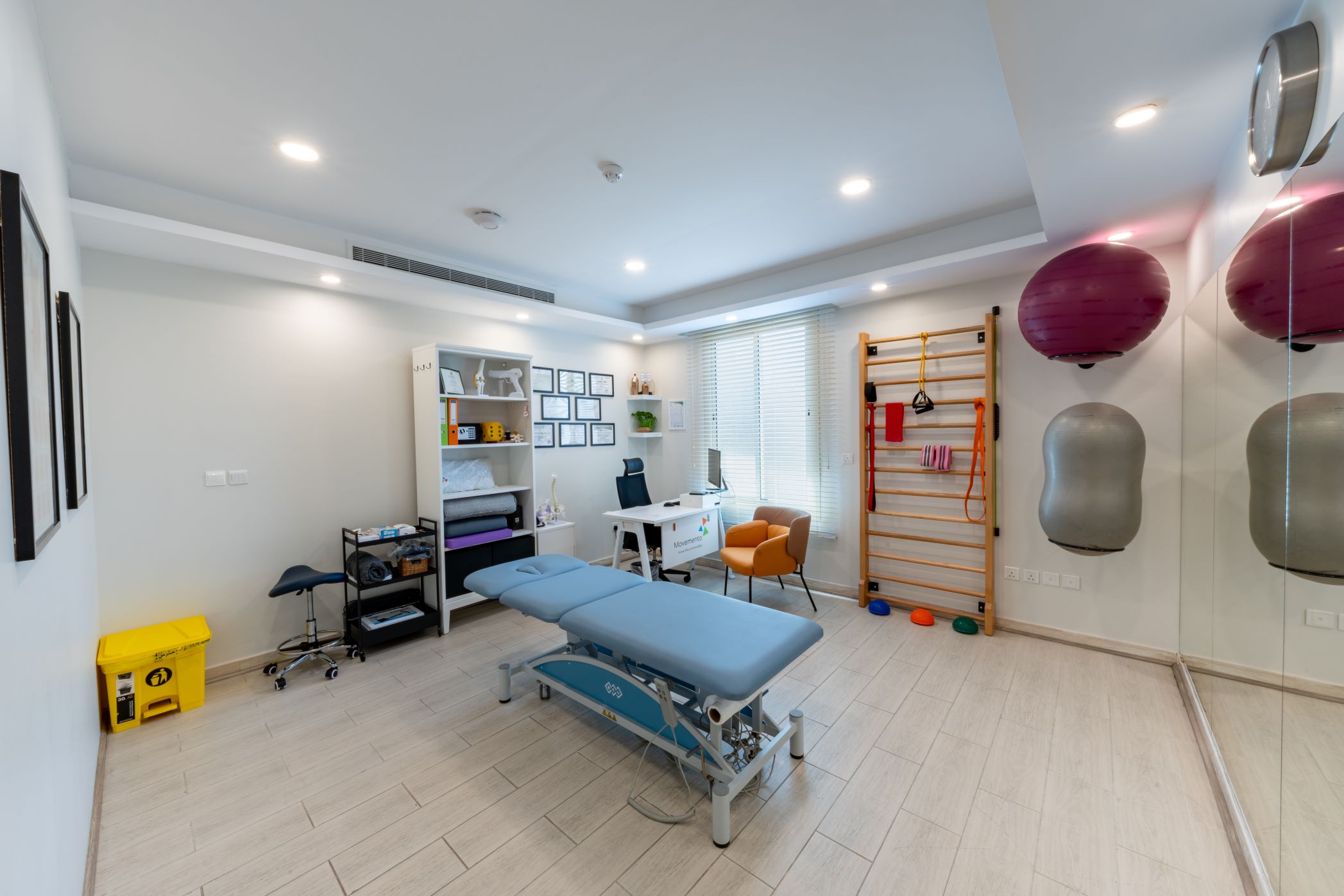
Weak muscles can change the way your whole body moves.
Muscle weakness may develop after surgery, injury, prolonged inactivity, neurological conditions, pain, immobilization or other health problems.
Weakness can affect walking, balance, transfers, stairs, lifting, reaching and everyday independence.
Physiotherapy aims to identify the functional impact of weakness and progressively improve strength and movement capacity according to the individual's needs.
Why Muscle Weakness Can Develop
The appropriate rehabilitation approach depends on why the weakness developed and how it is affecting function.
After Surgery
Reduced activity and postoperative muscle inhibition can contribute to weakness following surgery.
After Injury
Pain, immobilization and reduced loading may result in loss of muscle strength and functional capacity.
Prolonged Inactivity
Reduced physical activity can lead to deconditioning and reduced muscle performance.
Neurological Conditions
Conditions affecting the nervous system can produce weakness and changes in movement control.
Pain-Related Weakness
Pain may reduce normal muscle activation and alter movement strategies.
General Deconditioning
Reduced physical capacity can affect endurance, strength, balance and tolerance for daily activity.
First Identify Where Weakness Is Limiting You
A structured assessment helps determine the functional deficits that should be addressed during rehabilitation.
Muscle Strength
Relevant muscle groups are assessed to identify weakness and guide progressive strengthening.
Functional Mobility
Walking, transfers, stairs and other relevant activities are assessed according to the individual's condition.
Balance
Balance and postural control are assessed when weakness is contributing to mobility or stability problems.
Range of Motion
Joint mobility is assessed because restrictions can affect strength and movement performance.
Endurance
Activity tolerance and fatigue during relevant tasks may be considered when planning rehabilitation.
Functional Goals
Rehabilitation is directed toward meaningful goals such as walking, work, exercise or greater independence.
Strength Is Built Through Progressive Rehabilitation
Exercise selection and progression depend on the person's condition, current capacity, symptoms and rehabilitation goals.
Activation
Appropriate exercises may begin with improving muscle activation and movement quality.
Progressive Strength
Resistance is gradually increased according to the person's ability and rehabilitation stage.
Functional Training
Strength is integrated into meaningful movements such as standing, walking, stairs and transfers.
Independence
Rehabilitation progresses toward improved confidence, activity tolerance and everyday function.
Different Muscle Groups Can Affect Different Activities
Rehabilitation is selected according to the specific weakness and its impact on function.
Lower-Limb Strength
Weakness in the hips, thighs or lower legs can affect walking, standing, stairs and transfers.
Core & Trunk Strength
Reduced trunk strength or control may affect posture, transfers and functional movement.
Upper-Limb Strength
Weakness of the shoulder, arm or hand can affect reaching, lifting, pushing and everyday tasks.
Postural Muscles
Reduced postural muscle capacity may contribute to difficulty maintaining efficient positions during functional activities.
Balance-Related Strength
Lower-limb and trunk weakness can interact with balance and postural control during mobility.
Endurance & Activity Capacity
Rehabilitation may also address the ability to sustain functional activities without excessive fatigue.
The Goal Is Not Just Stronger Muscles. It Is Better Function.
Strength training becomes most meaningful when it helps you perform the activities that matter in everyday life.
Easier Standing
Improve strength required for standing activities.
Better Walking
Build the strength needed for functional mobility.
Stairs
Progress lower-limb strength for stair activities.
Transfers
Improve sit-to-stand and other transfers.
Daily Activities
Build capacity for meaningful everyday tasks.
Exercise & Work
Progress toward personal activity and work goals.
Progressive Exercise Is Central to Strength Recovery
Resistance and strengthening exercise are commonly used within rehabilitation to improve muscle performance and functional capacity. The programme should be individualized according to the underlying condition, current ability and clinical goals.
Progressive Strengthening & Functional Rehabilitation
Physiotherapy programmes for muscle weakness commonly combine strengthening with task-specific functional training. Exercise dosage and progression should be adjusted according to the person's condition, tolerance and rehabilitation goals rather than using one fixed programme for everyone.
Explore NICE GuidanceReady to Build Your Strength Again?
Get individualized physiotherapy and rehabilitation support at home across Noida, Greater Noida and Noida Extension.
Clinical Evidence & References
-
NICE — National Institute for Health and Care Excellence.
Clinical guidance and rehabilitation recommendations.
NICE -
World Health Organization — Rehabilitation.
WHO Rehabilitation
Muscle Weakness?
Build Strength. Move With Confidence.
Individualized physiotherapy to improve muscle strength, movement control and functional capacity when weakness is affecting everyday activities, mobility or recovery.
Weak muscles can change the way your whole body moves.
Muscle weakness may develop after surgery, injury, prolonged inactivity, neurological conditions, pain, immobilization or other health problems.
Weakness can affect walking, balance, transfers, stairs, lifting, reaching and everyday independence.
Physiotherapy aims to identify the functional impact of weakness and progressively improve strength and movement capacity according to the individual's needs.
Why Muscle Weakness Can Develop
The appropriate rehabilitation approach depends on why the weakness developed and how it is affecting function.
After Surgery
Reduced activity and postoperative muscle inhibition can contribute to weakness following surgery.
After Injury
Pain, immobilization and reduced loading may result in loss of muscle strength and functional capacity.
Prolonged Inactivity
Reduced physical activity can lead to deconditioning and reduced muscle performance.
Neurological Conditions
Conditions affecting the nervous system can produce weakness and changes in movement control.
Pain-Related Weakness
Pain may reduce normal muscle activation and alter movement strategies.
General Deconditioning
Reduced physical capacity can affect endurance, strength, balance and tolerance for daily activity.
First Identify Where Weakness Is Limiting You
A structured assessment helps determine the functional deficits that should be addressed during rehabilitation.
Muscle Strength
Relevant muscle groups are assessed to identify weakness and guide progressive strengthening.
Functional Mobility
Walking, transfers, stairs and other relevant activities are assessed according to the individual's condition.
Balance
Balance and postural control are assessed when weakness is contributing to mobility or stability problems.
Range of Motion
Joint mobility is assessed because restrictions can affect strength and movement performance.
Endurance
Activity tolerance and fatigue during relevant tasks may be considered when planning rehabilitation.
Functional Goals
Rehabilitation is directed toward meaningful goals such as walking, work, exercise or greater independence.
Strength Is Built Through Progressive Rehabilitation
Exercise selection and progression depend on the person's condition, current capacity, symptoms and rehabilitation goals.
Activation
Appropriate exercises may begin with improving muscle activation and movement quality.
Progressive Strength
Resistance is gradually increased according to the person's ability and rehabilitation stage.
Functional Training
Strength is integrated into meaningful movements such as standing, walking, stairs and transfers.
Independence
Rehabilitation progresses toward improved confidence, activity tolerance and everyday function.
Different Muscle Groups Can Affect Different Activities
Rehabilitation is selected according to the specific weakness and its impact on function.
Lower-Limb Strength
Weakness in the hips, thighs or lower legs can affect walking, standing, stairs and transfers.
Core & Trunk Strength
Reduced trunk strength or control may affect posture, transfers and functional movement.
Upper-Limb Strength
Weakness of the shoulder, arm or hand can affect reaching, lifting, pushing and everyday tasks.
Postural Muscles
Reduced postural muscle capacity may contribute to difficulty maintaining efficient positions during functional activities.
Balance-Related Strength
Lower-limb and trunk weakness can interact with balance and postural control during mobility.
Endurance & Activity Capacity
Rehabilitation may also address the ability to sustain functional activities without excessive fatigue.
The Goal Is Not Just Stronger Muscles. It Is Better Function.
Strength training becomes most meaningful when it helps you perform the activities that matter in everyday life.
Easier Standing
Improve strength required for standing activities.
Better Walking
Build the strength needed for functional mobility.
Stairs
Progress lower-limb strength for stair activities.
Transfers
Improve sit-to-stand and other transfers.
Daily Activities
Build capacity for meaningful everyday tasks.
Exercise & Work
Progress toward personal activity and work goals.
Progressive Exercise Is Central to Strength Recovery
Resistance and strengthening exercise are commonly used within rehabilitation to improve muscle performance and functional capacity. The programme should be individualized according to the underlying condition, current ability and clinical goals.
Progressive Strengthening & Functional Rehabilitation
Physiotherapy programmes for muscle weakness commonly combine strengthening with task-specific functional training. Exercise dosage and progression should be adjusted according to the person's condition, tolerance and rehabilitation goals rather than using one fixed programme for everyone.
Explore NICE GuidanceReady to Build Your Strength Again?
Get individualized physiotherapy and rehabilitation support at home across Noida, Greater Noida and Noida Extension.
Clinical Evidence & References
-
NICE — National Institute for Health and Care Excellence.
Clinical guidance and rehabilitation recommendations.
NICE -
World Health Organization — Rehabilitation.
WHO Rehabilitation