
Balance Problems?
Move Safely. Feel More Confident.
Individualized physiotherapy to improve balance, postural control, lower-limb strength and functional mobility when unsteadiness is affecting everyday life.
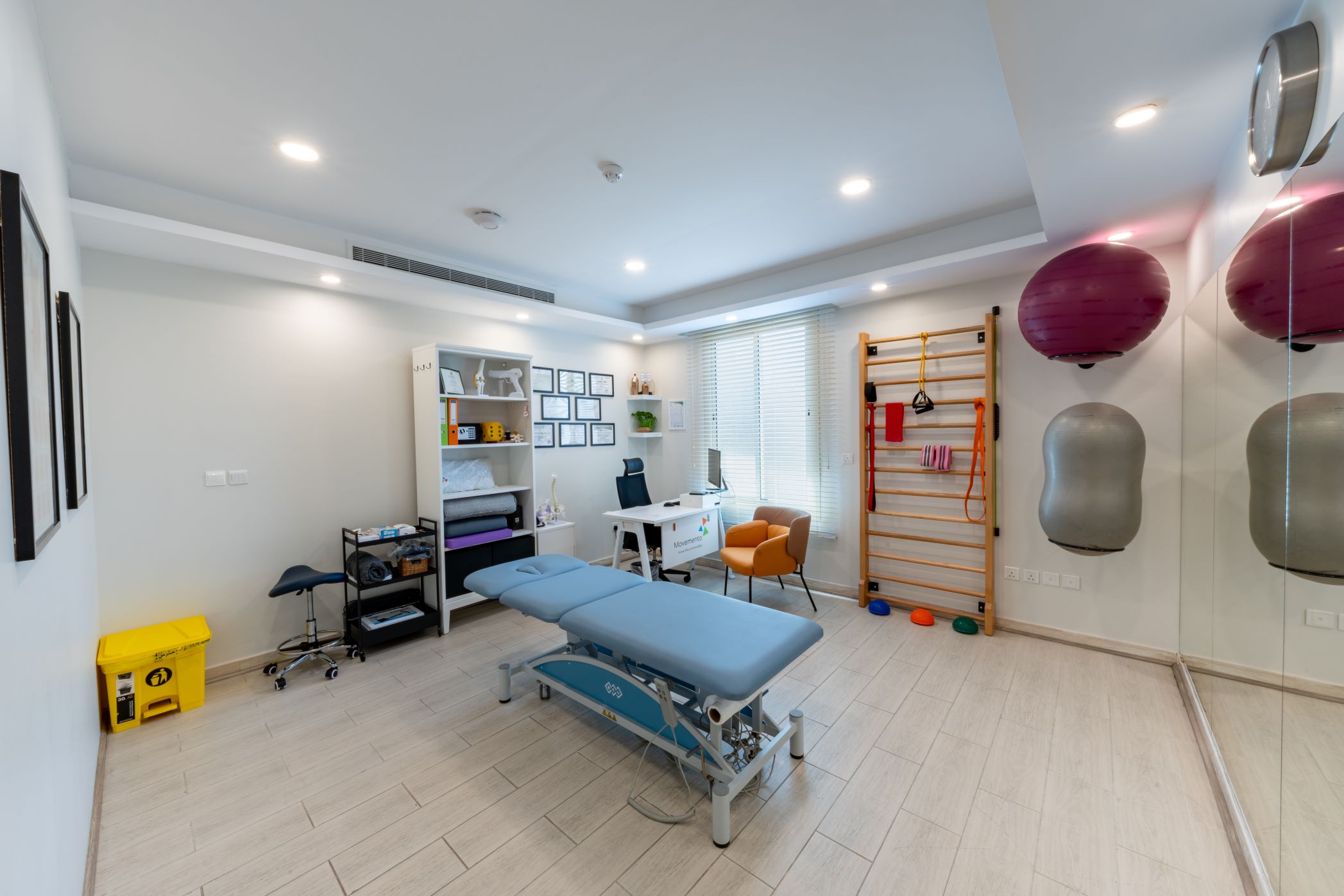
Balance is more than simply staying upright.
Balance allows us to maintain our position, control movement and respond to changes in our environment during everyday activities.
Problems with balance may affect walking, turning, standing, reaching, stairs and confidence during daily movement.
Physiotherapy can assess the factors contributing to balance difficulty and develop an individualized programme to improve safe and functional mobility.
Why Balance Problems Can Develop
Balance difficulties may result from several physical or neurological factors and should be assessed individually.
Muscle Weakness
Reduced strength, particularly in the lower limbs and trunk, may affect postural stability and mobility.
Neurological Conditions
Neurological conditions may affect coordination, strength, sensation or control of movement.
Vestibular Problems
Problems involving the vestibular system can contribute to dizziness, unsteadiness or difficulty maintaining balance.
Reduced Mobility
Limited movement and physical activity may reduce the strength and control required for safe mobility.
Joint & Movement Problems
Pain, stiffness or altered joint movement can influence posture and movement strategies.
Deconditioning
Reduced physical activity can affect strength, endurance and confidence during movement.
First Understand What Is Affecting Your Balance
A structured assessment helps identify the physical and functional factors contributing to balance difficulty.
Static Balance
Ability to maintain a stable position under appropriate and safe assessment conditions.
Dynamic Balance
Balance during movement, reaching, turning and other relevant functional tasks.
Lower-Limb Strength
Strength may be assessed because lower-limb weakness can affect standing and functional mobility.
Gait & Walking
Walking pattern, stability, turning and mobility may be assessed according to individual needs.
Functional Mobility
Transfers, stairs and other meaningful activities can be considered during functional assessment.
Fall Risk
Relevant risk factors may be considered to support a safer and more appropriate rehabilitation programme.
Balance Can Be Trained Through Progressive Rehabilitation
Exercise selection and progression depend on the individual's condition, symptoms, current ability and functional goals.
Balance Training
Appropriate balance exercises can be progressed according to the person's current level of stability.
Strengthening
Progressive strengthening may improve the physical capacity needed for standing and mobility.
Gait Training
Walking and movement practice may be incorporated when gait is contributing to functional limitations.
Functional Training
Balance and strength can be integrated into meaningful activities such as transfers and stairs.
Balance Depends on Multiple Systems Working Together
Functional balance involves interaction between several systems that contribute to orientation, control and movement.
Vision
Visual information contributes to awareness of the environment and orientation during movement.
Vestibular System
Vestibular information contributes to spatial orientation and postural control.
Somatosensory Input
Sensory information from the body helps the nervous system understand position and movement.
Strength & Motor Control
Adequate strength and coordinated movement are important for responding to changes in balance.
Postural Control
The body continuously adjusts its position to maintain stability during standing and movement.
Functional Experience
Practising relevant movements can help integrate balance control into everyday functional activities.
The Goal Is Not Just Better Balance. It Is Safer Movement.
Rehabilitation becomes meaningful when improved balance helps a person move with greater confidence and participate in everyday activities.
Safer Standing
Improve control during standing activities.
Better Walking
Improve mobility and confidence during walking.
Turning
Practise relevant movement and directional changes.
Transfers
Improve control during functional transfers.
Stairs
Progress balance and strength for stair activities.
Daily Independence
Work toward meaningful everyday mobility goals.
Balance Training Is a Key Part of Rehabilitation
Balance-focused exercise and functional training are commonly incorporated into rehabilitation programmes when appropriate. Exercise selection should be individualized according to the person's underlying condition and ability.
Individualized Balance & Mobility Rehabilitation
A physiotherapy programme may combine balance activities, progressive strengthening, mobility exercises, gait training and task-specific practice according to clinical needs and functional goals.
Explore NICE GuidanceReady to Move With More Confidence?
Get individualized physiotherapy and rehabilitation support at home across Noida, Greater Noida and Noida Extension.
Clinical Evidence & References
-
NICE — National Institute for Health and Care Excellence.
Clinical guidance and rehabilitation recommendations.
NICE -
World Health Organization — Rehabilitation.
WHO Rehabilitation
Balance Problems?
Move Safely. Feel More Confident.
Individualized physiotherapy to improve balance, postural control, lower-limb strength and functional mobility when unsteadiness is affecting everyday life.
Balance is more than simply staying upright.
Balance allows us to maintain our position, control movement and respond to changes in our environment during everyday activities.
Problems with balance may affect walking, turning, standing, reaching, stairs and confidence during daily movement.
Physiotherapy can assess the factors contributing to balance difficulty and develop an individualized programme to improve safe and functional mobility.
Why Balance Problems Can Develop
Balance difficulties may result from several physical or neurological factors and should be assessed individually.
Muscle Weakness
Reduced strength, particularly in the lower limbs and trunk, may affect postural stability and mobility.
Neurological Conditions
Neurological conditions may affect coordination, strength, sensation or control of movement.
Vestibular Problems
Problems involving the vestibular system can contribute to dizziness, unsteadiness or difficulty maintaining balance.
Reduced Mobility
Limited movement and physical activity may reduce the strength and control required for safe mobility.
Joint & Movement Problems
Pain, stiffness or altered joint movement can influence posture and movement strategies.
Deconditioning
Reduced physical activity can affect strength, endurance and confidence during movement.
First Understand What Is Affecting Your Balance
A structured assessment helps identify the physical and functional factors contributing to balance difficulty.
Static Balance
Ability to maintain a stable position under appropriate and safe assessment conditions.
Dynamic Balance
Balance during movement, reaching, turning and other relevant functional tasks.
Lower-Limb Strength
Strength may be assessed because lower-limb weakness can affect standing and functional mobility.
Gait & Walking
Walking pattern, stability, turning and mobility may be assessed according to individual needs.
Functional Mobility
Transfers, stairs and other meaningful activities can be considered during functional assessment.
Fall Risk
Relevant risk factors may be considered to support a safer and more appropriate rehabilitation programme.
Balance Can Be Trained Through Progressive Rehabilitation
Exercise selection and progression depend on the individual's condition, symptoms, current ability and functional goals.
Balance Training
Appropriate balance exercises can be progressed according to the person's current level of stability.
Strengthening
Progressive strengthening may improve the physical capacity needed for standing and mobility.
Gait Training
Walking and movement practice may be incorporated when gait is contributing to functional limitations.
Functional Training
Balance and strength can be integrated into meaningful activities such as transfers and stairs.
Balance Depends on Multiple Systems Working Together
Functional balance involves interaction between several systems that contribute to orientation, control and movement.
Vision
Visual information contributes to awareness of the environment and orientation during movement.
Vestibular System
Vestibular information contributes to spatial orientation and postural control.
Somatosensory Input
Sensory information from the body helps the nervous system understand position and movement.
Strength & Motor Control
Adequate strength and coordinated movement are important for responding to changes in balance.
Postural Control
The body continuously adjusts its position to maintain stability during standing and movement.
Functional Experience
Practising relevant movements can help integrate balance control into everyday functional activities.
The Goal Is Not Just Better Balance. It Is Safer Movement.
Rehabilitation becomes meaningful when improved balance helps a person move with greater confidence and participate in everyday activities.
Safer Standing
Improve control during standing activities.
Better Walking
Improve mobility and confidence during walking.
Turning
Practise relevant movement and directional changes.
Transfers
Improve control during functional transfers.
Stairs
Progress balance and strength for stair activities.
Daily Independence
Work toward meaningful everyday mobility goals.
Balance Training Is a Key Part of Rehabilitation
Balance-focused exercise and functional training are commonly incorporated into rehabilitation programmes when appropriate. Exercise selection should be individualized according to the person's underlying condition and ability.
Individualized Balance & Mobility Rehabilitation
A physiotherapy programme may combine balance activities, progressive strengthening, mobility exercises, gait training and task-specific practice according to clinical needs and functional goals.
Explore NICE GuidanceReady to Move With More Confidence?
Get individualized physiotherapy and rehabilitation support at home across Noida, Greater Noida and Noida Extension.
Clinical Evidence & References
-
NICE — National Institute for Health and Care Excellence.
Clinical guidance and rehabilitation recommendations.
NICE -
World Health Organization — Rehabilitation.
WHO Rehabilitation