
Fall Risk?
Move Safer. Stay Independent.
Individualized physiotherapy to improve balance, lower-limb strength, mobility and functional confidence when a person may be at increased risk of falling.
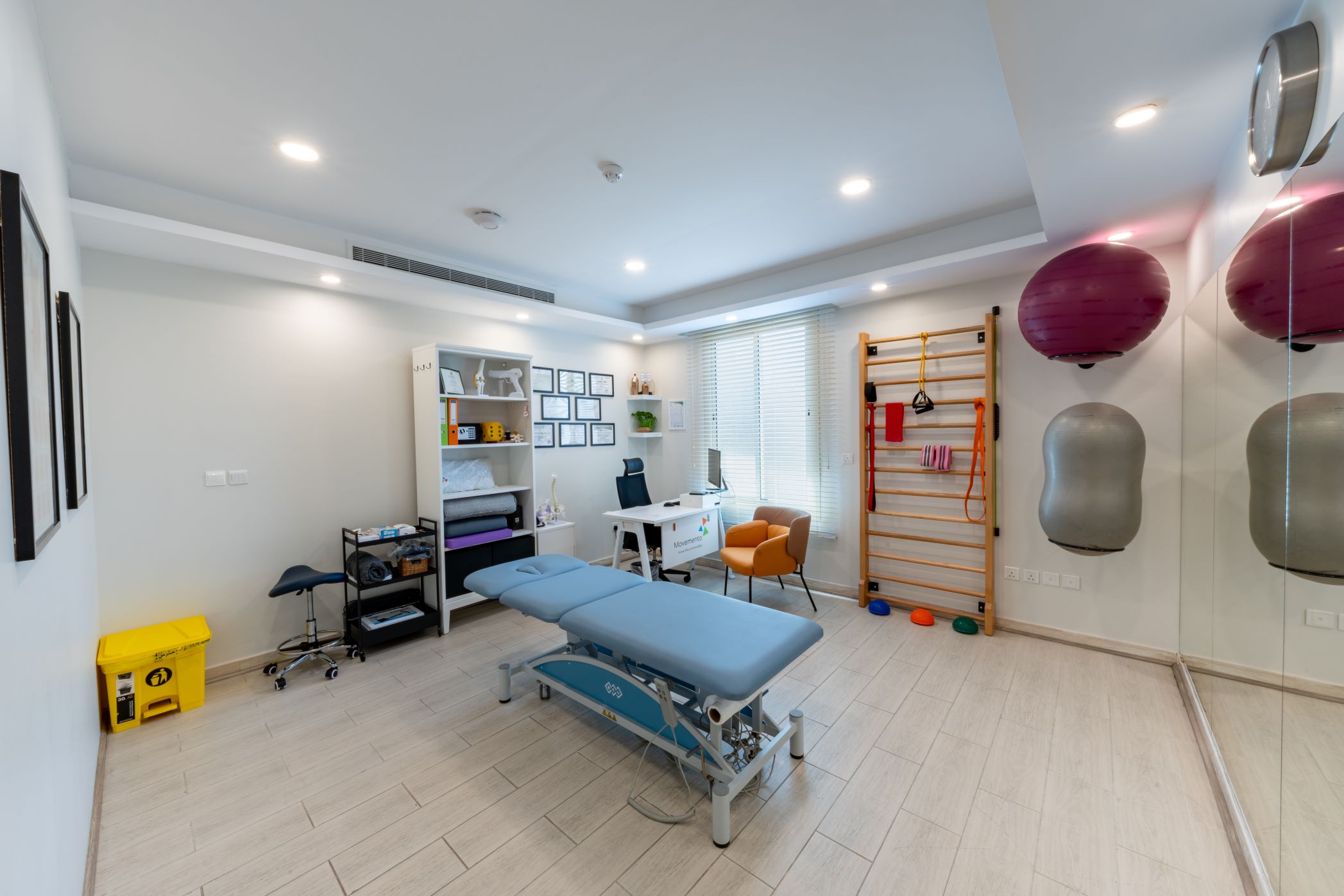
Preventing falls starts with understanding why they may happen.
Falls can affect confidence, mobility and independence. The factors contributing to fall risk can differ greatly from one person to another.
Common contributors may include reduced strength, balance difficulties, walking problems, reduced mobility and environmental hazards.
Physiotherapy can assess relevant physical and functional factors and develop an individualized programme focused on safer movement and improved functional capacity.
What Can Increase Fall Risk?
Fall risk is often multifactorial. Several physical and functional factors may interact to affect safety.
Balance Problems
Reduced ability to maintain stability during standing, turning or movement can increase fall risk.
Muscle Weakness
Lower-limb or trunk weakness may affect standing, walking, transfers and recovery from loss of balance.
Walking Difficulties
Changes in walking pattern, mobility or confidence can affect safe movement around the home and community.
Reduced Mobility
Limited activity and mobility may contribute to weakness, deconditioning and reduced physical capacity.
Poor Flexibility
Reduced mobility at relevant joints may affect movement strategies and functional activities.
Environmental Hazards
Clutter, poor lighting, loose rugs and other hazards can increase the challenge of moving safely.
Assessing Factors That May Affect Fall Risk
Assessment helps identify relevant physical and functional factors that can be addressed through rehabilitation.
Balance
Static and dynamic balance may be assessed according to the person's condition and functional needs.
Lower-Limb Strength
Relevant muscle groups may be assessed to identify weakness affecting standing and mobility.
Walking Ability
Walking pattern, stability and functional mobility may be considered during assessment.
Transfers
Sit-to-stand and other relevant transfers may be assessed when they are part of the person's daily mobility.
Functional Mobility
Stairs, turning and other meaningful mobility activities may be considered according to individual needs.
Home Safety
Relevant environmental factors may be considered as part of a broader fall-prevention approach.
Build the Strength and Control Needed for Safer Movement
Rehabilitation is individualized according to the person's health condition, mobility, balance, strength and goals.
Balance Training
Appropriate balance exercises can be progressed according to current ability and safety.
Strengthening
Progressive strengthening may improve capacity for standing, walking and transfers.
Gait Training
Walking practice can address relevant mobility and movement-control limitations.
Functional Training
Rehabilitation can integrate balance and strength into meaningful everyday tasks.
Safer Mobility Starts With Practical Changes
Fall prevention may involve both physical rehabilitation and appropriate changes to the person's daily environment.
Improve Lower-Limb Strength
Progressive exercise can target relevant lower-limb muscles according to the person's ability.
Practise Balance
Balance exercises can be selected and progressed according to current stability and safety.
Improve Walking Confidence
Functional mobility training can help address relevant movement limitations and improve confidence.
Reduce Home Hazards
Appropriate attention to lighting, pathways, clutter and other environmental factors can support safer mobility.
Use Appropriate Support
Where clinically appropriate, mobility aids and other strategies may support safer functional movement.
Maintain Activity
Appropriate physical activity can help maintain strength, mobility and functional capacity.
The Goal Is Not Just Fewer Falls. It Is Safer Independence.
Fall-prevention rehabilitation aims to support safer participation in meaningful daily activities while maintaining as much independence as possible.
Safer Standing
Improve control during standing activities.
Better Walking
Improve functional mobility and confidence.
Safer Transfers
Practise relevant functional transitions.
Stair Mobility
Build capacity for relevant stair activities.
Outdoor Mobility
Progress toward appropriate community mobility.
Independence
Work toward meaningful everyday goals.
Fall Prevention Is a Multifactorial Approach
Fall prevention can involve exercise and physical rehabilitation alongside appropriate assessment of other modifiable risk factors. The approach should be individualized to the person's needs.
Individualized Fall-Risk Rehabilitation
A physiotherapy programme may include balance training, progressive strengthening, mobility work, gait training and functional practice where clinically appropriate.
Explore NICE GuidanceReady to Move More Safely?
Get individualized physiotherapy and rehabilitation support at home across Noida, Greater Noida and Noida Extension.
Clinical Evidence & References
-
NICE — National Institute for Health and Care Excellence.
Clinical guidance and rehabilitation recommendations.
NICE -
World Health Organization — Rehabilitation.
WHO Rehabilitation
Fall Risk?
Move Safer. Stay Independent.
Individualized physiotherapy to improve balance, lower-limb strength, mobility and functional confidence when a person may be at increased risk of falling.
Preventing falls starts with understanding why they may happen.
Falls can affect confidence, mobility and independence. The factors contributing to fall risk can differ greatly from one person to another.
Common contributors may include reduced strength, balance difficulties, walking problems, reduced mobility and environmental hazards.
Physiotherapy can assess relevant physical and functional factors and develop an individualized programme focused on safer movement and improved functional capacity.
What Can Increase Fall Risk?
Fall risk is often multifactorial. Several physical and functional factors may interact to affect safety.
Balance Problems
Reduced ability to maintain stability during standing, turning or movement can increase fall risk.
Muscle Weakness
Lower-limb or trunk weakness may affect standing, walking, transfers and recovery from loss of balance.
Walking Difficulties
Changes in walking pattern, mobility or confidence can affect safe movement around the home and community.
Reduced Mobility
Limited activity and mobility may contribute to weakness, deconditioning and reduced physical capacity.
Poor Flexibility
Reduced mobility at relevant joints may affect movement strategies and functional activities.
Environmental Hazards
Clutter, poor lighting, loose rugs and other hazards can increase the challenge of moving safely.
Assessing Factors That May Affect Fall Risk
Assessment helps identify relevant physical and functional factors that can be addressed through rehabilitation.
Balance
Static and dynamic balance may be assessed according to the person's condition and functional needs.
Lower-Limb Strength
Relevant muscle groups may be assessed to identify weakness affecting standing and mobility.
Walking Ability
Walking pattern, stability and functional mobility may be considered during assessment.
Transfers
Sit-to-stand and other relevant transfers may be assessed when they are part of the person's daily mobility.
Functional Mobility
Stairs, turning and other meaningful mobility activities may be considered according to individual needs.
Home Safety
Relevant environmental factors may be considered as part of a broader fall-prevention approach.
Build the Strength and Control Needed for Safer Movement
Rehabilitation is individualized according to the person's health condition, mobility, balance, strength and goals.
Balance Training
Appropriate balance exercises can be progressed according to current ability and safety.
Strengthening
Progressive strengthening may improve capacity for standing, walking and transfers.
Gait Training
Walking practice can address relevant mobility and movement-control limitations.
Functional Training
Rehabilitation can integrate balance and strength into meaningful everyday tasks.
Safer Mobility Starts With Practical Changes
Fall prevention may involve both physical rehabilitation and appropriate changes to the person's daily environment.
Improve Lower-Limb Strength
Progressive exercise can target relevant lower-limb muscles according to the person's ability.
Practise Balance
Balance exercises can be selected and progressed according to current stability and safety.
Improve Walking Confidence
Functional mobility training can help address relevant movement limitations and improve confidence.
Reduce Home Hazards
Appropriate attention to lighting, pathways, clutter and other environmental factors can support safer mobility.
Use Appropriate Support
Where clinically appropriate, mobility aids and other strategies may support safer functional movement.
Maintain Activity
Appropriate physical activity can help maintain strength, mobility and functional capacity.
The Goal Is Not Just Fewer Falls. It Is Safer Independence.
Fall-prevention rehabilitation aims to support safer participation in meaningful daily activities while maintaining as much independence as possible.
Safer Standing
Improve control during standing activities.
Better Walking
Improve functional mobility and confidence.
Safer Transfers
Practise relevant functional transitions.
Stair Mobility
Build capacity for relevant stair activities.
Outdoor Mobility
Progress toward appropriate community mobility.
Independence
Work toward meaningful everyday goals.
Fall Prevention Is a Multifactorial Approach
Fall prevention can involve exercise and physical rehabilitation alongside appropriate assessment of other modifiable risk factors. The approach should be individualized to the person's needs.
Individualized Fall-Risk Rehabilitation
A physiotherapy programme may include balance training, progressive strengthening, mobility work, gait training and functional practice where clinically appropriate.
Explore NICE GuidanceReady to Move More Safely?
Get individualized physiotherapy and rehabilitation support at home across Noida, Greater Noida and Noida Extension.
Clinical Evidence & References
-
NICE — National Institute for Health and Care Excellence.
Clinical guidance and rehabilitation recommendations.
NICE -
World Health Organization — Rehabilitation.
WHO Rehabilitation