
Poor Flexibility?
Move Freely. Move Better.
Individualized physiotherapy to improve mobility, movement quality and functional range when stiffness or reduced flexibility is affecting everyday activities.
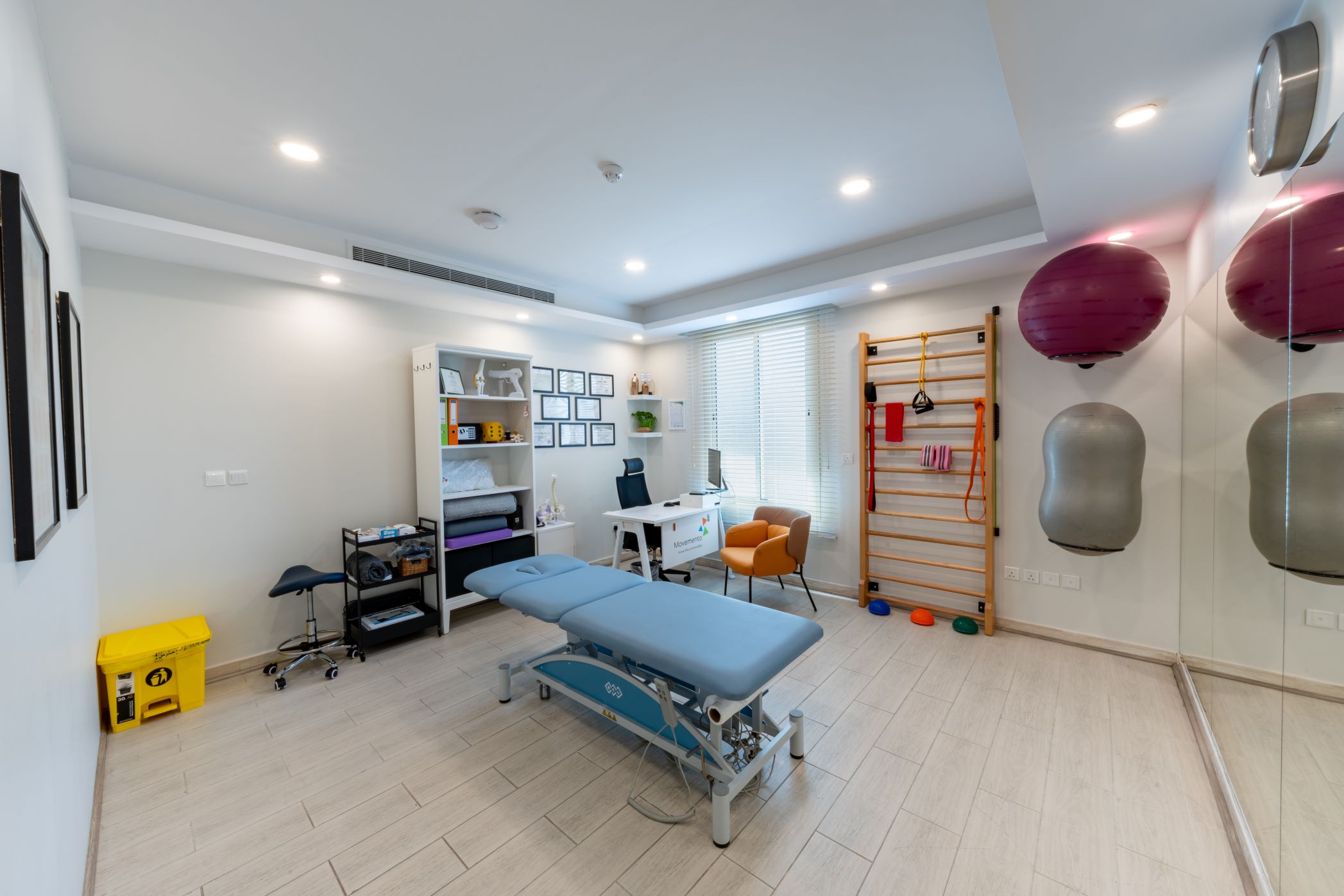
Flexibility is part of how the body moves through everyday life.
Flexibility refers to the available movement around joints and the ability of muscles and surrounding tissues to accommodate movement.
Reduced flexibility may be associated with stiffness, prolonged inactivity, pain, previous injury, surgery or other musculoskeletal limitations.
Physiotherapy can identify relevant movement restrictions and use individualized mobility, stretching, strengthening and functional exercises according to the person's needs.
Why Flexibility May Become Limited
Reduced flexibility can develop for different reasons, and the relevant contributing factors vary between people.
Prolonged Inactivity
Reduced movement and physical activity may contribute to stiffness and decreased functional mobility.
Joint Stiffness
Restricted joint movement may limit the range available for everyday functional activities.
Previous Injury
Injury and subsequent changes in movement may contribute to reduced mobility in the affected region.
Post-Surgical Stiffness
Some surgical procedures may be followed by temporary restrictions in movement during recovery.
Pain & Protective Movement
Pain may cause a person to reduce or alter movement, which can affect functional mobility.
Age-Related Changes
Changes in physical activity, joint mobility and tissue characteristics can influence movement over time.
First Understand What Is Limiting Your Movement
Assessment helps determine whether the limitation is related to joint mobility, muscle length, pain, strength or functional movement.
Joint Range of Motion
Relevant joint movement may be assessed to identify restrictions affecting function.
Muscle Flexibility
Relevant muscle groups may be assessed according to the person's symptoms and movement limitations.
Pain & Stiffness
Symptoms can influence how a person moves and how much range is available during functional activities.
Muscle Strength
Strength may be assessed because mobility and flexibility need to be considered alongside functional control.
Functional Movement
Squatting, reaching, walking, transfers or other relevant tasks may be considered according to individual goals.
Movement Quality
The way a person moves can help identify compensations associated with restricted mobility.
Improve Mobility With Progressive, Individualized Exercise
The rehabilitation approach depends on the underlying cause, symptoms, current mobility and functional goals.
Mobility Exercises
Appropriate active movement can help address relevant mobility limitations.
Stretching
Stretching may be incorporated where clinically appropriate and according to individual tolerance.
Strengthening
Strengthening can support functional movement and control alongside mobility work.
Functional Training
Mobility can be integrated into meaningful everyday movement rather than trained in isolation.
Good Movement Needs More Than Flexibility Alone
Functional mobility depends on the interaction between movement range, strength, control, balance and confidence.
Joint Mobility
Appropriate joint range allows the body to move through the positions required for everyday tasks.
Muscle Length
Muscle flexibility can influence available movement in relevant joints and functional positions.
Strength
Adequate strength helps control movement through the available range.
Motor Control
Coordinated movement helps translate available range into useful functional activity.
Balance
Balance contributes to safe movement while using available mobility during functional activities.
Activity Level
Regular appropriate movement can support ongoing mobility and physical function.
The Goal Is Not Just More Range. It Is Better Movement.
Flexibility becomes useful when it supports the activities that matter in everyday life.
Easier Walking
Support comfortable movement during walking.
Better Squatting
Improve mobility for relevant functional positions.
Easier Reaching
Support mobility during reaching activities.
Improved Transfers
Practise movement needed for everyday transfers.
Better Posture
Address relevant mobility restrictions affecting posture and movement.
Daily Independence
Work toward meaningful everyday mobility goals.
Flexibility Training Should Be Individualized
Mobility and flexibility exercises can form part of a rehabilitation programme when appropriate. The type, intensity and progression should depend on the underlying condition and individual response.
Individualized Mobility & Flexibility Rehabilitation
A physiotherapy programme may combine active mobility, stretching, strengthening and functional exercises to address relevant movement limitations.
Explore NICE GuidanceReady to Move More Freely?
Get individualized physiotherapy and rehabilitation support at home across Noida, Greater Noida and Noida Extension.
Clinical Evidence & References
-
NICE — National Institute for Health and Care Excellence.
Clinical guidance and rehabilitation recommendations.
NICE -
World Health Organization — Rehabilitation.
WHO Rehabilitation
Poor Flexibility?
Move Freely. Move Better.
Individualized physiotherapy to improve mobility, movement quality and functional range when stiffness or reduced flexibility is affecting everyday activities.
Flexibility is part of how the body moves through everyday life.
Flexibility refers to the available movement around joints and the ability of muscles and surrounding tissues to accommodate movement.
Reduced flexibility may be associated with stiffness, prolonged inactivity, pain, previous injury, surgery or other musculoskeletal limitations.
Physiotherapy can identify relevant movement restrictions and use individualized mobility, stretching, strengthening and functional exercises according to the person's needs.
Why Flexibility May Become Limited
Reduced flexibility can develop for different reasons, and the relevant contributing factors vary between people.
Prolonged Inactivity
Reduced movement and physical activity may contribute to stiffness and decreased functional mobility.
Joint Stiffness
Restricted joint movement may limit the range available for everyday functional activities.
Previous Injury
Injury and subsequent changes in movement may contribute to reduced mobility in the affected region.
Post-Surgical Stiffness
Some surgical procedures may be followed by temporary restrictions in movement during recovery.
Pain & Protective Movement
Pain may cause a person to reduce or alter movement, which can affect functional mobility.
Age-Related Changes
Changes in physical activity, joint mobility and tissue characteristics can influence movement over time.
First Understand What Is Limiting Your Movement
Assessment helps determine whether the limitation is related to joint mobility, muscle length, pain, strength or functional movement.
Joint Range of Motion
Relevant joint movement may be assessed to identify restrictions affecting function.
Muscle Flexibility
Relevant muscle groups may be assessed according to the person's symptoms and movement limitations.
Pain & Stiffness
Symptoms can influence how a person moves and how much range is available during functional activities.
Muscle Strength
Strength may be assessed because mobility and flexibility need to be considered alongside functional control.
Functional Movement
Squatting, reaching, walking, transfers or other relevant tasks may be considered according to individual goals.
Movement Quality
The way a person moves can help identify compensations associated with restricted mobility.
Improve Mobility With Progressive, Individualized Exercise
The rehabilitation approach depends on the underlying cause, symptoms, current mobility and functional goals.
Mobility Exercises
Appropriate active movement can help address relevant mobility limitations.
Stretching
Stretching may be incorporated where clinically appropriate and according to individual tolerance.
Strengthening
Strengthening can support functional movement and control alongside mobility work.
Functional Training
Mobility can be integrated into meaningful everyday movement rather than trained in isolation.
Good Movement Needs More Than Flexibility Alone
Functional mobility depends on the interaction between movement range, strength, control, balance and confidence.
Joint Mobility
Appropriate joint range allows the body to move through the positions required for everyday tasks.
Muscle Length
Muscle flexibility can influence available movement in relevant joints and functional positions.
Strength
Adequate strength helps control movement through the available range.
Motor Control
Coordinated movement helps translate available range into useful functional activity.
Balance
Balance contributes to safe movement while using available mobility during functional activities.
Activity Level
Regular appropriate movement can support ongoing mobility and physical function.
The Goal Is Not Just More Range. It Is Better Movement.
Flexibility becomes useful when it supports the activities that matter in everyday life.
Easier Walking
Support comfortable movement during walking.
Better Squatting
Improve mobility for relevant functional positions.
Easier Reaching
Support mobility during reaching activities.
Improved Transfers
Practise movement needed for everyday transfers.
Better Posture
Address relevant mobility restrictions affecting posture and movement.
Daily Independence
Work toward meaningful everyday mobility goals.
Flexibility Training Should Be Individualized
Mobility and flexibility exercises can form part of a rehabilitation programme when appropriate. The type, intensity and progression should depend on the underlying condition and individual response.
Individualized Mobility & Flexibility Rehabilitation
A physiotherapy programme may combine active mobility, stretching, strengthening and functional exercises to address relevant movement limitations.
Explore NICE GuidanceReady to Move More Freely?
Get individualized physiotherapy and rehabilitation support at home across Noida, Greater Noida and Noida Extension.
Clinical Evidence & References
-
NICE — National Institute for Health and Care Excellence.
Clinical guidance and rehabilitation recommendations.
NICE -
World Health Organization — Rehabilitation.
WHO Rehabilitation