
Functional Limitations?
Move Better. Do More.
Individualized physiotherapy to improve strength, mobility, balance, endurance and movement capacity when everyday activities have become difficult.
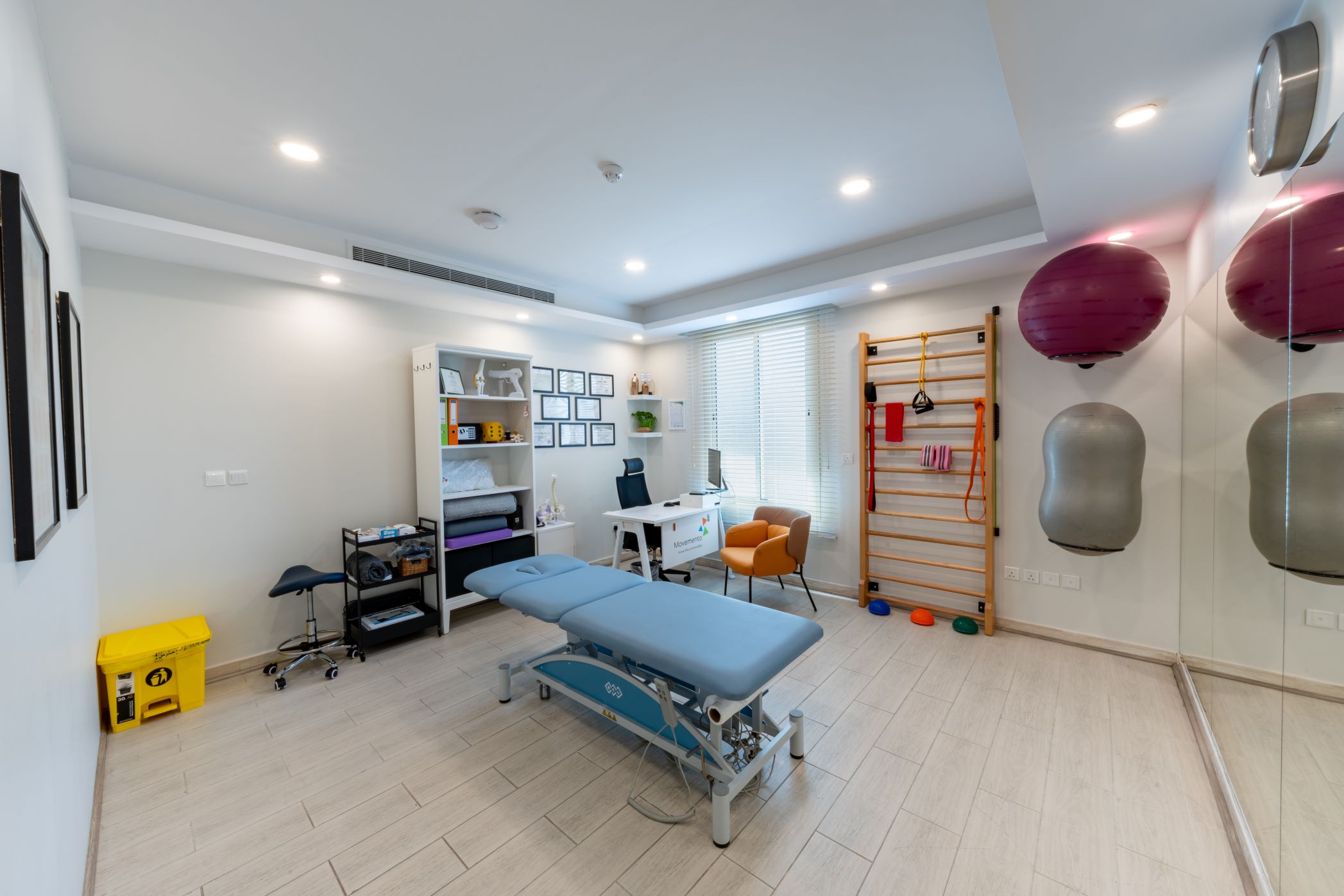
When everyday activities become difficult, rehabilitation can focus on restoring function.
Functional limitations occur when a person has difficulty performing activities that are important for everyday life.
They may develop because of weakness, pain, reduced mobility, balance problems, injury, surgery, neurological conditions or deconditioning.
Physiotherapy aims to identify the factors affecting function and progressively build the physical capacity needed for meaningful activities.
Which Everyday Activities May Become Difficult?
Functional difficulties vary depending on the person's condition, physical capacity and daily environment.
Difficulty Walking
Reduced strength, balance, endurance or mobility may affect the ability to walk safely and efficiently.
Difficulty Standing
Weakness or reduced physical capacity can make prolonged standing or repeated standing activities challenging.
Difficulty With Stairs
Lower-limb strength, balance and mobility can influence stair climbing and descending.
Difficulty With Transfers
Moving between sitting, standing and other positions may become difficult after illness, injury or reduced activity.
Reduced Endurance
Reduced physical capacity may limit how long a person can participate in everyday activities.
Reduced Independence
Difficulty performing everyday tasks can increase reliance on family members or other support.
First Understand What Is Limiting Your Function
A structured assessment helps identify the physical and functional factors affecting everyday activities.
Muscle Strength
Relevant muscle groups may be assessed to identify weakness affecting functional activities.
Joint Mobility
Relevant range of motion may be assessed when stiffness or restricted mobility affects function.
Balance
Balance and postural control may be assessed when they influence mobility and safety.
Walking Ability
Walking capacity and relevant movement strategies may be assessed according to individual needs.
Functional Tasks
Activities such as transfers, stairs or reaching may be assessed when relevant to daily life.
Activity Tolerance
Physical capacity and endurance may be considered according to the person's condition and goals.
Rebuild the Physical Capacity Needed for Everyday Life
Rehabilitation is individualized according to the underlying condition, current ability, safety and functional goals.
Strength Training
Progressive strengthening can improve the physical capacity required for functional tasks.
Mobility Training
Appropriate mobility exercises may address restrictions affecting functional movement.
Balance Training
Balance activities can be progressed according to the person's current ability and safety.
Task-Specific Training
Rehabilitation can integrate exercises into meaningful activities that the person wants to perform.
Rehabilitation Can Target Meaningful Daily Activities
The programme should reflect the activities that are important to the person's independence and participation.
Walking
Improve relevant walking capacity and mobility for movement around the home or community.
Transfers
Practise meaningful movements such as sit-to-stand and other relevant transfers.
Stairs
Build the strength, mobility and control needed for appropriate stair activities.
Personal Activities
Work toward greater ability to participate in relevant self-care and household activities.
Outdoor Mobility
Progress toward appropriate community mobility and participation.
Activity Endurance
Progress physical activity tolerance according to the person's condition and goals.
The Goal Is Not Just Stronger Muscles. It Is Better Function.
Rehabilitation connects physical improvements with the real activities a person needs and wants to perform.
Easier Walking
Improve mobility for everyday walking.
Safer Transfers
Practise relevant functional transitions.
Better Stair Mobility
Build capacity for appropriate stair activities.
Improved Endurance
Progress activity tolerance appropriately.
Greater Participation
Support meaningful daily and community activities.
More Independence
Work toward meaningful functional goals.
Functional Rehabilitation Should Be Goal-Directed
Rehabilitation can combine progressive exercise, mobility, balance training and task-specific practice according to the person's condition and functional goals.
Individualized Functional Rehabilitation
Physiotherapy can focus on improving relevant physical capacity while practising meaningful activities that support mobility, participation and independence.
Explore NICE GuidanceReady to Improve Your Function?
Get individualized physiotherapy and rehabilitation support at home across Noida, Greater Noida and Noida Extension.
Clinical Evidence & References
-
NICE — National Institute for Health and Care Excellence.
Clinical guidance and rehabilitation recommendations.
NICE -
World Health Organization — Rehabilitation.
WHO Rehabilitation
Functional Limitations?
Move Better. Do More.
Individualized physiotherapy to improve strength, mobility, balance, endurance and movement capacity when everyday activities have become difficult.
When everyday activities become difficult, rehabilitation can focus on restoring function.
Functional limitations occur when a person has difficulty performing activities that are important for everyday life.
They may develop because of weakness, pain, reduced mobility, balance problems, injury, surgery, neurological conditions or deconditioning.
Physiotherapy aims to identify the factors affecting function and progressively build the physical capacity needed for meaningful activities.
Which Everyday Activities May Become Difficult?
Functional difficulties vary depending on the person's condition, physical capacity and daily environment.
Difficulty Walking
Reduced strength, balance, endurance or mobility may affect the ability to walk safely and efficiently.
Difficulty Standing
Weakness or reduced physical capacity can make prolonged standing or repeated standing activities challenging.
Difficulty With Stairs
Lower-limb strength, balance and mobility can influence stair climbing and descending.
Difficulty With Transfers
Moving between sitting, standing and other positions may become difficult after illness, injury or reduced activity.
Reduced Endurance
Reduced physical capacity may limit how long a person can participate in everyday activities.
Reduced Independence
Difficulty performing everyday tasks can increase reliance on family members or other support.
First Understand What Is Limiting Your Function
A structured assessment helps identify the physical and functional factors affecting everyday activities.
Muscle Strength
Relevant muscle groups may be assessed to identify weakness affecting functional activities.
Joint Mobility
Relevant range of motion may be assessed when stiffness or restricted mobility affects function.
Balance
Balance and postural control may be assessed when they influence mobility and safety.
Walking Ability
Walking capacity and relevant movement strategies may be assessed according to individual needs.
Functional Tasks
Activities such as transfers, stairs or reaching may be assessed when relevant to daily life.
Activity Tolerance
Physical capacity and endurance may be considered according to the person's condition and goals.
Rebuild the Physical Capacity Needed for Everyday Life
Rehabilitation is individualized according to the underlying condition, current ability, safety and functional goals.
Strength Training
Progressive strengthening can improve the physical capacity required for functional tasks.
Mobility Training
Appropriate mobility exercises may address restrictions affecting functional movement.
Balance Training
Balance activities can be progressed according to the person's current ability and safety.
Task-Specific Training
Rehabilitation can integrate exercises into meaningful activities that the person wants to perform.
Rehabilitation Can Target Meaningful Daily Activities
The programme should reflect the activities that are important to the person's independence and participation.
Walking
Improve relevant walking capacity and mobility for movement around the home or community.
Transfers
Practise meaningful movements such as sit-to-stand and other relevant transfers.
Stairs
Build the strength, mobility and control needed for appropriate stair activities.
Personal Activities
Work toward greater ability to participate in relevant self-care and household activities.
Outdoor Mobility
Progress toward appropriate community mobility and participation.
Activity Endurance
Progress physical activity tolerance according to the person's condition and goals.
The Goal Is Not Just Stronger Muscles. It Is Better Function.
Rehabilitation connects physical improvements with the real activities a person needs and wants to perform.
Easier Walking
Improve mobility for everyday walking.
Safer Transfers
Practise relevant functional transitions.
Better Stair Mobility
Build capacity for appropriate stair activities.
Improved Endurance
Progress activity tolerance appropriately.
Greater Participation
Support meaningful daily and community activities.
More Independence
Work toward meaningful functional goals.
Functional Rehabilitation Should Be Goal-Directed
Rehabilitation can combine progressive exercise, mobility, balance training and task-specific practice according to the person's condition and functional goals.
Individualized Functional Rehabilitation
Physiotherapy can focus on improving relevant physical capacity while practising meaningful activities that support mobility, participation and independence.
Explore NICE GuidanceReady to Improve Your Function?
Get individualized physiotherapy and rehabilitation support at home across Noida, Greater Noida and Noida Extension.
Clinical Evidence & References
-
NICE — National Institute for Health and Care Excellence.
Clinical guidance and rehabilitation recommendations.
NICE -
World Health Organization — Rehabilitation.
WHO Rehabilitation