
Deconditioning?
Rebuild Your Strength & Function.
Individualized physiotherapy to restore strength, mobility, endurance and functional capacity after periods of inactivity, illness, hospitalization or reduced activity.
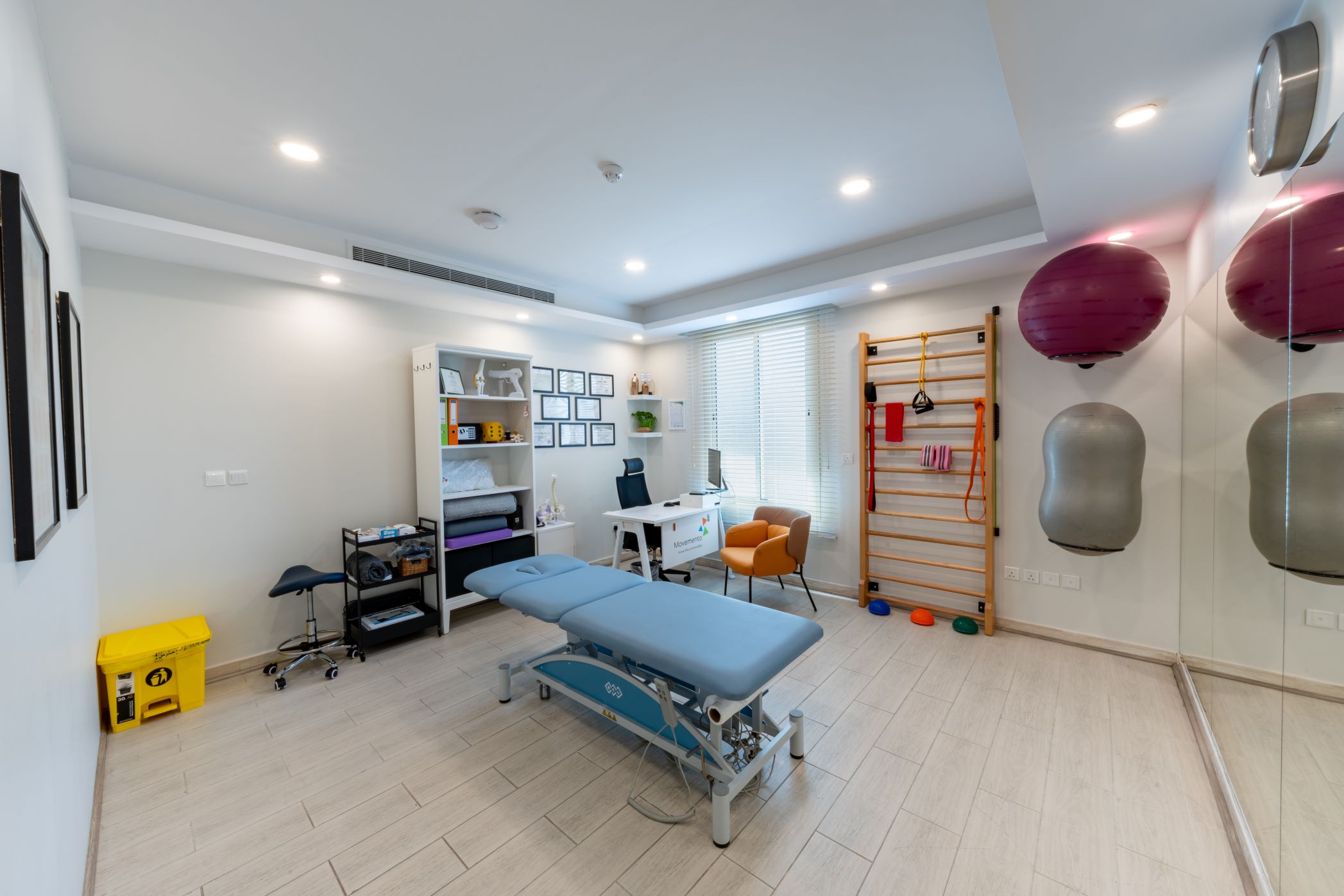
When activity decreases, the body can lose physical capacity.
Deconditioning refers to a decline in physical and functional capacity that can occur following periods of reduced physical activity.
It may occur after illness, hospitalization, surgery, prolonged bed rest, injury or extended inactivity.
Physiotherapy focuses on gradually rebuilding the physical capacity required for safe movement and meaningful everyday activities.
How Deconditioning May Affect the Body
Reduced activity can affect several aspects of physical capacity and everyday function.
Muscle Weakness
Reduced activity can contribute to loss of muscle strength and difficulty performing physical tasks.
Reduced Endurance
Physical activity may become more tiring after a period of inactivity or illness.
Reduced Mobility
Prolonged inactivity may be associated with stiffness and difficulty moving efficiently.
Reduced Balance
Reduced strength and activity may affect balance and confidence during movement.
Difficulty Walking
Walking distance, speed or tolerance may decrease when physical capacity is reduced.
Reduced Independence
Everyday activities may require more effort or additional assistance following prolonged inactivity.
First Understand Your Current Physical Capacity
Assessment helps determine where physical capacity has been reduced and how rehabilitation can be progressed.
Muscle Strength
Relevant muscle groups may be assessed to identify weakness affecting movement and function.
Walking Capacity
Walking ability and tolerance may be assessed according to the person's current level of function.
Balance
Balance and postural control may be assessed when relevant to mobility and safety.
Functional Mobility
Transfers, standing and other meaningful movements may be assessed according to individual goals.
Joint Mobility
Relevant movement restrictions may be identified when they contribute to functional limitations.
Activity Tolerance
Tolerance for physical activity is considered when planning a safe rehabilitation progression.
Gradually Rebuild Strength, Endurance and Function
Rehabilitation is progressed according to the person's starting capacity, symptoms, medical status and functional goals.
Progressive Strengthening
Appropriate resistance exercises can help rebuild muscle strength after periods of reduced activity.
Endurance Training
Activity duration and intensity can be gradually progressed according to tolerance.
Mobility Training
Appropriate mobility exercises can address relevant stiffness and movement limitations.
Functional Training
Rehabilitation can connect exercise with meaningful activities such as standing, walking and transfers.
Rebuild the Activities That Matter
The rehabilitation programme can be built around the person's meaningful daily activities and mobility goals.
Sit-to-Stand
Build the strength and control needed for repeated transfers between sitting and standing.
Walking
Progress walking capacity and tolerance according to current physical ability.
Stair Mobility
Develop the strength, balance and control required for appropriate stair activities.
Household Activities
Gradually increase physical capacity for meaningful household and daily activities.
Outdoor Mobility
Progress toward appropriate community mobility and participation.
Daily Independence
Work toward greater independence in meaningful everyday activities.
Recovery Is About Getting Back to Doing More.
Rehabilitation connects improvements in physical capacity with the real activities a person wants and needs to perform.
Rebuild Strength
Progress muscle strength according to ability.
Improve Endurance
Gradually increase tolerance for activity.
Improve Mobility
Address relevant movement restrictions.
Support Balance
Progress balance and movement control safely.
Practise Function
Connect exercise with meaningful daily tasks.
Restore Independence
Work toward meaningful mobility goals.
Exercise Can Help Rebuild Physical Capacity
Progressive physical activity and exercise can support improvements in strength, endurance, balance and physical function when appropriately tailored to the individual.
Individualized Deconditioning Rehabilitation
Physiotherapy can help develop a gradual rehabilitation programme combining strengthening, mobility, endurance and functional activities according to individual needs.
Explore WHO Physical Activity GuidanceReady to Rebuild Your Strength?
Get individualized physiotherapy and rehabilitation support at home across Noida, Greater Noida and Noida Extension.
Clinical Evidence & References
-
World Health Organization — Physical Activity.
WHO Physical Activity -
World Health Organization — Rehabilitation.
WHO Rehabilitation -
NICE — National Institute for Health and Care Excellence.
Clinical guidance and rehabilitation recommendations.
NICE
Deconditioning?
Rebuild Your Strength & Function.
Individualized physiotherapy to restore strength, mobility, endurance and functional capacity after periods of inactivity, illness, hospitalization or reduced activity.
When activity decreases, the body can lose physical capacity.
Deconditioning refers to a decline in physical and functional capacity that can occur following periods of reduced physical activity.
It may occur after illness, hospitalization, surgery, prolonged bed rest, injury or extended inactivity.
Physiotherapy focuses on gradually rebuilding the physical capacity required for safe movement and meaningful everyday activities.
How Deconditioning May Affect the Body
Reduced activity can affect several aspects of physical capacity and everyday function.
Muscle Weakness
Reduced activity can contribute to loss of muscle strength and difficulty performing physical tasks.
Reduced Endurance
Physical activity may become more tiring after a period of inactivity or illness.
Reduced Mobility
Prolonged inactivity may be associated with stiffness and difficulty moving efficiently.
Reduced Balance
Reduced strength and activity may affect balance and confidence during movement.
Difficulty Walking
Walking distance, speed or tolerance may decrease when physical capacity is reduced.
Reduced Independence
Everyday activities may require more effort or additional assistance following prolonged inactivity.
First Understand Your Current Physical Capacity
Assessment helps determine where physical capacity has been reduced and how rehabilitation can be progressed.
Muscle Strength
Relevant muscle groups may be assessed to identify weakness affecting movement and function.
Walking Capacity
Walking ability and tolerance may be assessed according to the person's current level of function.
Balance
Balance and postural control may be assessed when relevant to mobility and safety.
Functional Mobility
Transfers, standing and other meaningful movements may be assessed according to individual goals.
Joint Mobility
Relevant movement restrictions may be identified when they contribute to functional limitations.
Activity Tolerance
Tolerance for physical activity is considered when planning a safe rehabilitation progression.
Gradually Rebuild Strength, Endurance and Function
Rehabilitation is progressed according to the person's starting capacity, symptoms, medical status and functional goals.
Progressive Strengthening
Appropriate resistance exercises can help rebuild muscle strength after periods of reduced activity.
Endurance Training
Activity duration and intensity can be gradually progressed according to tolerance.
Mobility Training
Appropriate mobility exercises can address relevant stiffness and movement limitations.
Functional Training
Rehabilitation can connect exercise with meaningful activities such as standing, walking and transfers.
Rebuild the Activities That Matter
The rehabilitation programme can be built around the person's meaningful daily activities and mobility goals.
Sit-to-Stand
Build the strength and control needed for repeated transfers between sitting and standing.
Walking
Progress walking capacity and tolerance according to current physical ability.
Stair Mobility
Develop the strength, balance and control required for appropriate stair activities.
Household Activities
Gradually increase physical capacity for meaningful household and daily activities.
Outdoor Mobility
Progress toward appropriate community mobility and participation.
Daily Independence
Work toward greater independence in meaningful everyday activities.
Recovery Is About Getting Back to Doing More.
Rehabilitation connects improvements in physical capacity with the real activities a person wants and needs to perform.
Rebuild Strength
Progress muscle strength according to ability.
Improve Endurance
Gradually increase tolerance for activity.
Improve Mobility
Address relevant movement restrictions.
Support Balance
Progress balance and movement control safely.
Practise Function
Connect exercise with meaningful daily tasks.
Restore Independence
Work toward meaningful mobility goals.
Exercise Can Help Rebuild Physical Capacity
Progressive physical activity and exercise can support improvements in strength, endurance, balance and physical function when appropriately tailored to the individual.
Individualized Deconditioning Rehabilitation
Physiotherapy can help develop a gradual rehabilitation programme combining strengthening, mobility, endurance and functional activities according to individual needs.
Explore WHO Physical Activity GuidanceReady to Rebuild Your Strength?
Get individualized physiotherapy and rehabilitation support at home across Noida, Greater Noida and Noida Extension.
Clinical Evidence & References
-
World Health Organization — Physical Activity.
WHO Physical Activity -
World Health Organization — Rehabilitation.
WHO Rehabilitation -
NICE — National Institute for Health and Care Excellence.
Clinical guidance and rehabilitation recommendations.
NICE