
Age-Related Weakness?
Stay Strong. Stay Independent.
Individualized physiotherapy to maintain strength, mobility, balance and physical function as activity levels and physical capacity change with age.
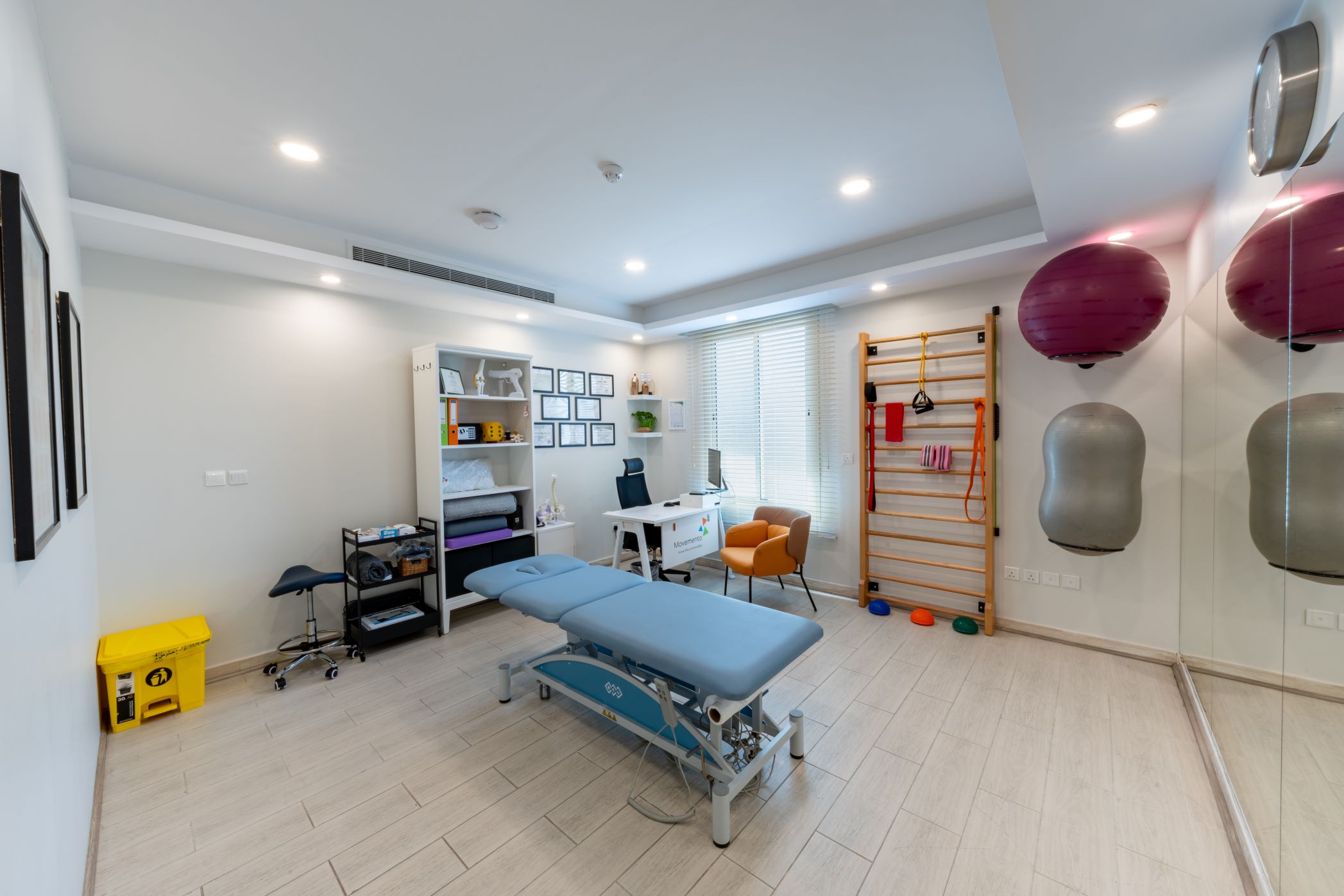
Staying active and strong can support physical function at every age.
Age-related weakness can refer to reduced muscle strength, physical capacity or ability to perform everyday activities.
Reduced activity, illness, prolonged bed rest and other health or lifestyle factors can also contribute to loss of strength and function.
Physiotherapy can help assess current physical capacity and develop an individualized programme focused on strength, balance, mobility, endurance and meaningful daily activities.
How Weakness May Affect Everyday Life
Changes in physical capacity can influence different aspects of mobility and independence.
Reduced Muscle Strength
Reduced strength can make activities such as standing, walking, lifting or climbing stairs more demanding.
Reduced Walking Capacity
Lower physical capacity may affect walking distance, speed or tolerance for everyday mobility.
Difficulty With Transfers
Moving between sitting and standing may become more challenging when lower-limb strength is reduced.
Reduced Balance
Changes in strength and physical function may influence balance and confidence during movement.
Reduced Endurance
Lower activity tolerance may make prolonged physical tasks more difficult.
Greater Dependence
Difficulty performing everyday activities may increase the need for assistance from family or caregivers.
First Understand Your Current Physical Capacity
Assessment helps identify strength, mobility, balance and functional factors that may be limiting daily activities.
Muscle Strength
Relevant muscle groups may be assessed to identify weakness affecting everyday function.
Walking Ability
Walking pattern, capacity and relevant mobility limitations may be assessed.
Balance
Static and dynamic balance may be assessed according to the person's needs and safety.
Functional Mobility
Transfers, stairs and other meaningful activities may be assessed according to individual goals.
Joint Mobility
Relevant movement restrictions may be identified when they contribute to functional limitations.
Activity Tolerance
Physical capacity and tolerance for activity can be considered when planning rehabilitation.
Build Strength, Confidence and Functional Capacity
Exercise and activity are progressed according to the person's current ability, safety, symptoms and goals.
Progressive Strengthening
Progressive resistance exercises can help improve muscle strength and physical capacity.
Balance Training
Balance activities can be selected and progressed according to individual ability and safety.
Functional Training
Exercises can be linked to meaningful activities such as standing, walking and transfers.
Activity Progression
Physical activity can be gradually progressed to support long-term function and participation.
Rehabilitation Can Focus on the Activities That Matter
The programme can be shaped around meaningful activities and the person's goals for independence.
Walking
Build the strength and endurance needed for appropriate everyday walking.
Sit-to-Stand
Practise the strength and control required to rise from a chair or other sitting position.
Stair Mobility
Develop relevant lower-limb strength and control for appropriate stair activities.
Household Activities
Work toward greater physical capacity for meaningful household tasks.
Outdoor Mobility
Progress toward appropriate mobility and participation outside the home.
Daily Independence
Support the physical abilities required for meaningful self-care and everyday activities.
The Goal Is to Maintain the Ability to Do More.
Rehabilitation connects physical improvements with meaningful daily activities and long-term independence.
Maintain Strength
Support muscle capacity through appropriate exercise.
Improve Mobility
Address relevant mobility limitations.
Support Balance
Improve appropriate balance and movement control.
Build Endurance
Progress activity tolerance according to ability.
Practise Function
Connect exercise with meaningful daily activities.
Preserve Independence
Work toward meaningful personal mobility goals.
Exercise Is an Important Part of Healthy Ageing
Appropriate physical activity and exercise can support strength, balance, mobility and physical function in older adults when tailored to individual ability.
Individualized Strength & Functional Rehabilitation
Physiotherapy can help develop a progressive programme combining strengthening, balance, mobility and functional activities according to individual needs.
Explore WHO Physical Activity GuidanceStay Strong. Stay Independent.
Get individualized physiotherapy and rehabilitation support at home across Noida, Greater Noida and Noida Extension.
Clinical Evidence & References
-
World Health Organization — Physical Activity.
WHO Physical Activity -
World Health Organization — Decade of Healthy Ageing.
WHO Healthy Ageing -
NICE — National Institute for Health and Care Excellence.
Clinical guidance and rehabilitation recommendations.
NICE
Age-Related Weakness?
Stay Strong. Stay Independent.
Individualized physiotherapy to maintain strength, mobility, balance and physical function as activity levels and physical capacity change with age.
Staying active and strong can support physical function at every age.
Age-related weakness can refer to reduced muscle strength, physical capacity or ability to perform everyday activities.
Reduced activity, illness, prolonged bed rest and other health or lifestyle factors can also contribute to loss of strength and function.
Physiotherapy can help assess current physical capacity and develop an individualized programme focused on strength, balance, mobility, endurance and meaningful daily activities.
How Weakness May Affect Everyday Life
Changes in physical capacity can influence different aspects of mobility and independence.
Reduced Muscle Strength
Reduced strength can make activities such as standing, walking, lifting or climbing stairs more demanding.
Reduced Walking Capacity
Lower physical capacity may affect walking distance, speed or tolerance for everyday mobility.
Difficulty With Transfers
Moving between sitting and standing may become more challenging when lower-limb strength is reduced.
Reduced Balance
Changes in strength and physical function may influence balance and confidence during movement.
Reduced Endurance
Lower activity tolerance may make prolonged physical tasks more difficult.
Greater Dependence
Difficulty performing everyday activities may increase the need for assistance from family or caregivers.
First Understand Your Current Physical Capacity
Assessment helps identify strength, mobility, balance and functional factors that may be limiting daily activities.
Muscle Strength
Relevant muscle groups may be assessed to identify weakness affecting everyday function.
Walking Ability
Walking pattern, capacity and relevant mobility limitations may be assessed.
Balance
Static and dynamic balance may be assessed according to the person's needs and safety.
Functional Mobility
Transfers, stairs and other meaningful activities may be assessed according to individual goals.
Joint Mobility
Relevant movement restrictions may be identified when they contribute to functional limitations.
Activity Tolerance
Physical capacity and tolerance for activity can be considered when planning rehabilitation.
Build Strength, Confidence and Functional Capacity
Exercise and activity are progressed according to the person's current ability, safety, symptoms and goals.
Progressive Strengthening
Progressive resistance exercises can help improve muscle strength and physical capacity.
Balance Training
Balance activities can be selected and progressed according to individual ability and safety.
Functional Training
Exercises can be linked to meaningful activities such as standing, walking and transfers.
Activity Progression
Physical activity can be gradually progressed to support long-term function and participation.
Rehabilitation Can Focus on the Activities That Matter
The programme can be shaped around meaningful activities and the person's goals for independence.
Walking
Build the strength and endurance needed for appropriate everyday walking.
Sit-to-Stand
Practise the strength and control required to rise from a chair or other sitting position.
Stair Mobility
Develop relevant lower-limb strength and control for appropriate stair activities.
Household Activities
Work toward greater physical capacity for meaningful household tasks.
Outdoor Mobility
Progress toward appropriate mobility and participation outside the home.
Daily Independence
Support the physical abilities required for meaningful self-care and everyday activities.
The Goal Is to Maintain the Ability to Do More.
Rehabilitation connects physical improvements with meaningful daily activities and long-term independence.
Maintain Strength
Support muscle capacity through appropriate exercise.
Improve Mobility
Address relevant mobility limitations.
Support Balance
Improve appropriate balance and movement control.
Build Endurance
Progress activity tolerance according to ability.
Practise Function
Connect exercise with meaningful daily activities.
Preserve Independence
Work toward meaningful personal mobility goals.
Exercise Is an Important Part of Healthy Ageing
Appropriate physical activity and exercise can support strength, balance, mobility and physical function in older adults when tailored to individual ability.
Individualized Strength & Functional Rehabilitation
Physiotherapy can help develop a progressive programme combining strengthening, balance, mobility and functional activities according to individual needs.
Explore WHO Physical Activity GuidanceStay Strong. Stay Independent.
Get individualized physiotherapy and rehabilitation support at home across Noida, Greater Noida and Noida Extension.
Clinical Evidence & References
-
World Health Organization — Physical Activity.
WHO Physical Activity -
World Health Organization — Decade of Healthy Ageing.
WHO Healthy Ageing -
NICE — National Institute for Health and Care Excellence.
Clinical guidance and rehabilitation recommendations.
NICE