

Walking Difficulties?
Walk With More Confidence.
Individualized physiotherapy to improve walking ability, gait pattern, balance, strength, endurance and functional mobility.
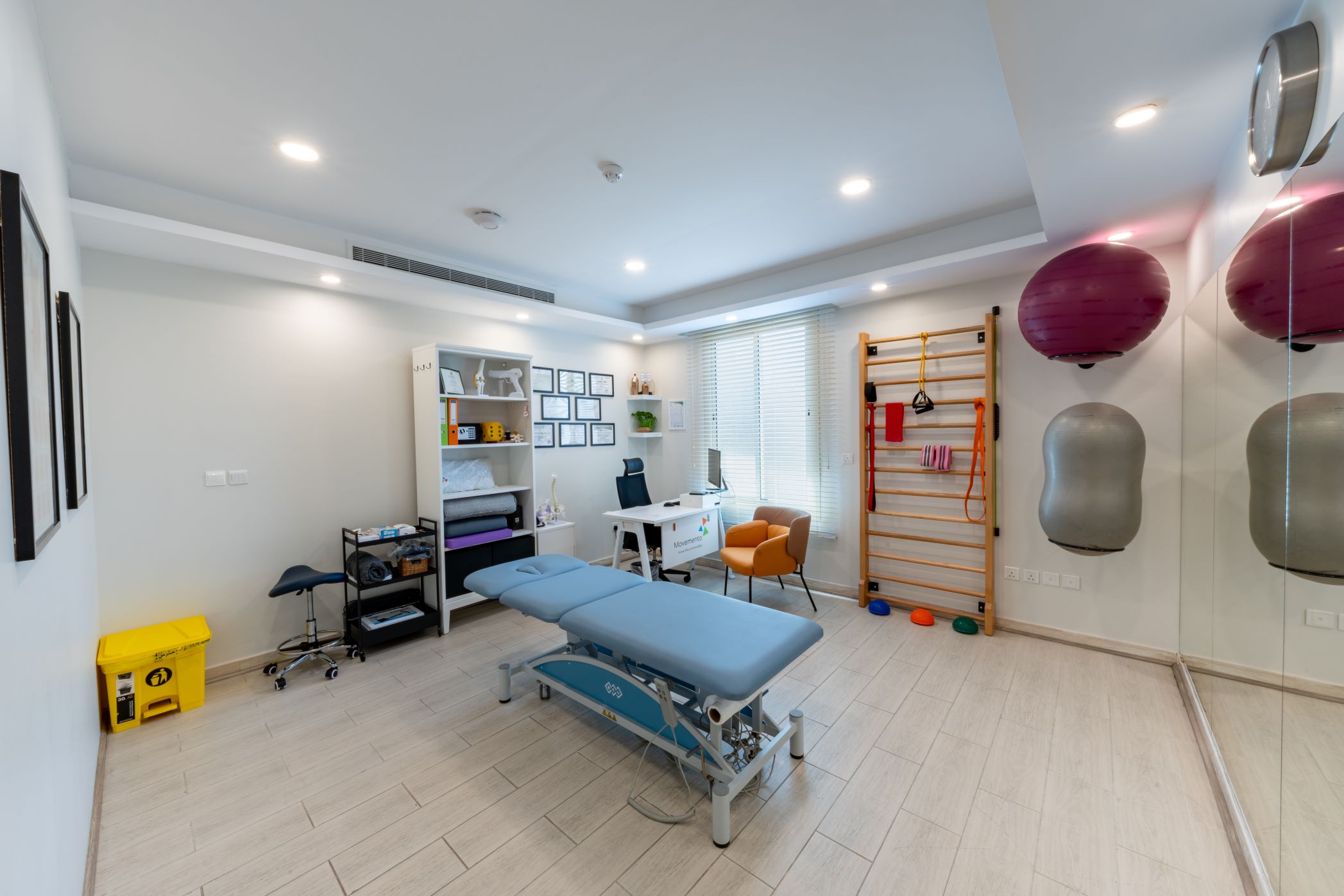
Better walking starts with understanding how you move.
Gait and walking difficulties can affect walking speed, stability, endurance, coordination and confidence during everyday movement.
They may occur with conditions such as stroke, paralysis, Parkinson’s disease, spinal cord injury, multiple sclerosis, cerebral palsy or balance and coordination problems.
Physiotherapy can assess the factors affecting walking and develop a progressive programme focused on safe, task-specific and meaningful mobility.
What Can Make Walking Difficult?
Walking problems may involve several different physical and neurological factors.
Reduced Walking Speed
Walking may become slower because of weakness, reduced motor control, balance limitations or reduced endurance.
Unsteady Walking
Reduced postural control or coordination can make walking feel unstable or less confident.
Foot Drop
Difficulty lifting the foot during swing can affect clearance and walking efficiency.
Short Steps
Reduced step length can occur with neurological and musculoskeletal conditions and may affect gait efficiency.
Reduced Walking Endurance
A person may be able to walk but struggle to maintain walking for longer distances or periods.
Difficulty on Uneven Ground
Changes in balance, strength or motor control can make outdoor and uneven surfaces more challenging.
We Look Beyond Walking Speed
A comprehensive assessment helps identify the factors contributing to the person's walking difficulty.
Gait Pattern
Walking pattern, step characteristics and relevant asymmetries may be assessed.
Walking Speed
Walking speed can help quantify functional mobility and monitor changes over time.
Balance
Static and dynamic balance can be assessed according to the person's condition and goals.
Lower-Limb Strength
Strength of relevant lower-limb muscle groups may be assessed as part of gait evaluation.
Functional Mobility
Transfers, turning, stairs and other meaningful mobility tasks may be assessed.
Walking Endurance
Walking distance and activity tolerance can be considered when planning rehabilitation.
Repetitive, Task-Specific Walking Practice
Rehabilitation is individualized according to the underlying condition, current walking ability, safety and functional goals. Task-specific gait training is an important component for many people with walking limitations.
Gait Training
Repeated walking practice can help develop walking skill, mobility and functional capacity.
Strengthening
Appropriate strengthening can address muscle weakness contributing to mobility limitations.
Balance Training
Balance exercises can support stability and confidence during functional movement.
Endurance Training
Walking and aerobic activity can be progressed according to individual tolerance and clinical needs.
Training for the Walking You Actually Need
Rehabilitation can progress from controlled practice to meaningful real-world walking activities.
Overground Walking
Practise walking in an appropriate environment while progressing distance, speed and task demands.
Turning & Direction Changes
Practise controlled changes of direction relevant to everyday mobility.
Sit-to-Stand & Walking
Connect transfers with walking to improve functional mobility during everyday activities.
Stairs & Slopes
When appropriate and safe, rehabilitation can include graded practice of stairs, inclines and other surfaces.
Uneven Surfaces
Real-world walking may require practice on surfaces that differ from a controlled indoor environment.
Community Walking
Where appropriate, goals can include walking longer distances and navigating everyday community environments.
Walking Is More Than Moving From One Room to Another.
Functional gait rehabilitation can consider the environments and activities that are meaningful to the individual.
Indoor Walking
Practise safe movement around the home.
Turning
Improve control during changes of direction.
Stairs
Progress stair mobility when appropriate.
Uneven Ground
Prepare for relevant outdoor surfaces.
Longer Distances
Gradually improve walking endurance.
Community Mobility
Work toward meaningful outdoor participation.
Walking Aids Can Be Part of Safe Rehabilitation
Walking aids and orthoses should be selected based on individual assessment, safety, mobility needs and goals. They can help enable safe walking practice when appropriate.
Walking Stick
May be considered when an appropriate level of support is needed during walking.
Walker
May provide greater external support for individuals with significant mobility limitations.
Ankle-Foot Orthosis
May be considered for selected gait impairments such as foot drop after appropriate assessment.
Gait Training Should Be Specific to the Person and the Goal
Evidence supports task-specific walking practice and appropriate strengthening and balance interventions for people with neurological walking limitations. The exact programme should be individualized according to diagnosis, impairment, safety and functional goals.
Measuring Walking Progress
Depending on the person's condition and ability, physiotherapists may use measures such as walking speed, timed walking tests, functional gait assessments and mobility measures to monitor progress.
Explore Functional Gait AssessmentGait & Walking Difficulties FAQs
Clear answers based on the rehabilitation approach described on this page.
What can cause walking difficulties?
Walking difficulties can involve neurological, musculoskeletal, balance-related or other factors. Examples discussed on this page include stroke, paralysis, Parkinson’s disease, spinal cord injury, multiple sclerosis, cerebral palsy, and balance and coordination problems.
What does physiotherapy assess for walking problems?
Assessment may include gait pattern, walking speed, balance, lower-limb strength, functional mobility and walking endurance, depending on the person’s condition and goals.
What is included in gait rehabilitation?
Individualized rehabilitation may include task-specific gait training, strengthening, balance training and endurance training. The programme is adapted to diagnosis, impairment, safety and functional goals.
Can physiotherapy help with stairs and uneven surfaces?
When appropriate and safe, rehabilitation can include graded practice of stairs, slopes, uneven surfaces, turning and other real-world walking demands.
Can walking aids be part of rehabilitation?
Walking sticks, walkers and ankle-foot orthoses may be considered for selected people. Their use should be based on individual assessment, safety, mobility needs and goals.
How is walking progress measured?
Depending on the person’s condition and ability, physiotherapists may monitor walking speed, timed walking tests, functional gait assessments and other mobility measures.
Ready to Work on Your Walking?
Get individualized gait and mobility rehabilitation at home across Noida, Greater Noida and Noida Extension.
Clinical Evidence & References
-
National Clinical Guideline for Stroke — Motor Recovery
and Physical Effects of Stroke.
Stroke Guideline -
American Physical Therapy Association — Functional Gait
Assessment.
APTA Functional Gait Assessment -
Physical Therapist Management of Parkinson Disease —
Clinical Practice Guideline.
Parkinson Disease CPG -
Gait training interventions for patients with stroke in
India — systematic review.
PubMed
Walking Difficulties?
Walk With More Confidence.
Individualized physiotherapy to improve walking ability, gait pattern, balance, strength, endurance and functional mobility.
Better walking starts with understanding how you move.
Gait and walking difficulties can affect walking speed, stability, endurance, coordination and confidence during everyday movement.
They may occur with conditions such as stroke, paralysis, Parkinson’s disease, spinal cord injury, multiple sclerosis, cerebral palsy or balance and coordination problems.
Physiotherapy can assess the factors affecting walking and develop a progressive programme focused on safe, task-specific and meaningful mobility.
What Can Make Walking Difficult?
Walking problems may involve several different physical and neurological factors.
Reduced Walking Speed
Walking may become slower because of weakness, reduced motor control, balance limitations or reduced endurance.
Unsteady Walking
Reduced postural control or coordination can make walking feel unstable or less confident.
Foot Drop
Difficulty lifting the foot during swing can affect clearance and walking efficiency.
Short Steps
Reduced step length can occur with neurological and musculoskeletal conditions and may affect gait efficiency.
Reduced Walking Endurance
A person may be able to walk but struggle to maintain walking for longer distances or periods.
Difficulty on Uneven Ground
Changes in balance, strength or motor control can make outdoor and uneven surfaces more challenging.
We Look Beyond Walking Speed
A comprehensive assessment helps identify the factors contributing to the person's walking difficulty.
Gait Pattern
Walking pattern, step characteristics and relevant asymmetries may be assessed.
Walking Speed
Walking speed can help quantify functional mobility and monitor changes over time.
Balance
Static and dynamic balance can be assessed according to the person's condition and goals.
Lower-Limb Strength
Strength of relevant lower-limb muscle groups may be assessed as part of gait evaluation.
Functional Mobility
Transfers, turning, stairs and other meaningful mobility tasks may be assessed.
Walking Endurance
Walking distance and activity tolerance can be considered when planning rehabilitation.
Repetitive, Task-Specific Walking Practice
Rehabilitation is individualized according to the underlying condition, current walking ability, safety and functional goals. Task-specific gait training is an important component for many people with walking limitations.
Gait Training
Repeated walking practice can help develop walking skill, mobility and functional capacity.
Strengthening
Appropriate strengthening can address muscle weakness contributing to mobility limitations.
Balance Training
Balance exercises can support stability and confidence during functional movement.
Endurance Training
Walking and aerobic activity can be progressed according to individual tolerance and clinical needs.
Training for the Walking You Actually Need
Rehabilitation can progress from controlled practice to meaningful real-world walking activities.
Overground Walking
Practise walking in an appropriate environment while progressing distance, speed and task demands.
Turning & Direction Changes
Practise controlled changes of direction relevant to everyday mobility.
Sit-to-Stand & Walking
Connect transfers with walking to improve functional mobility during everyday activities.
Stairs & Slopes
When appropriate and safe, rehabilitation can include graded practice of stairs, inclines and other surfaces.
Uneven Surfaces
Real-world walking may require practice on surfaces that differ from a controlled indoor environment.
Community Walking
Where appropriate, goals can include walking longer distances and navigating everyday community environments.
Walking Is More Than Moving From One Room to Another.
Functional gait rehabilitation can consider the environments and activities that are meaningful to the individual.
Indoor Walking
Practise safe movement around the home.
Turning
Improve control during changes of direction.
Stairs
Progress stair mobility when appropriate.
Uneven Ground
Prepare for relevant outdoor surfaces.
Longer Distances
Gradually improve walking endurance.
Community Mobility
Work toward meaningful outdoor participation.
Walking Aids Can Be Part of Safe Rehabilitation
Walking aids and orthoses should be selected based on individual assessment, safety, mobility needs and goals. They can help enable safe walking practice when appropriate.
Walking Stick
May be considered when an appropriate level of support is needed during walking.
Walker
May provide greater external support for individuals with significant mobility limitations.
Ankle-Foot Orthosis
May be considered for selected gait impairments such as foot drop after appropriate assessment.
Gait Training Should Be Specific to the Person and the Goal
Evidence supports task-specific walking practice and appropriate strengthening and balance interventions for people with neurological walking limitations. The exact programme should be individualized according to diagnosis, impairment, safety and functional goals.
Measuring Walking Progress
Depending on the person's condition and ability, physiotherapists may use measures such as walking speed, timed walking tests, functional gait assessments and mobility measures to monitor progress.
Explore Functional Gait AssessmentGait & Walking Difficulties FAQs
Clear answers based on the rehabilitation approach described on this page.
What can cause walking difficulties?
Walking difficulties can involve neurological, musculoskeletal, balance-related or other factors. Examples discussed on this page include stroke, paralysis, Parkinson’s disease, spinal cord injury, multiple sclerosis, cerebral palsy, and balance and coordination problems.
What does physiotherapy assess for walking problems?
Assessment may include gait pattern, walking speed, balance, lower-limb strength, functional mobility and walking endurance, depending on the person’s condition and goals.
What is included in gait rehabilitation?
Individualized rehabilitation may include task-specific gait training, strengthening, balance training and endurance training. The programme is adapted to diagnosis, impairment, safety and functional goals.
Can physiotherapy help with stairs and uneven surfaces?
When appropriate and safe, rehabilitation can include graded practice of stairs, slopes, uneven surfaces, turning and other real-world walking demands.
Can walking aids be part of rehabilitation?
Walking sticks, walkers and ankle-foot orthoses may be considered for selected people. Their use should be based on individual assessment, safety, mobility needs and goals.
How is walking progress measured?
Depending on the person’s condition and ability, physiotherapists may monitor walking speed, timed walking tests, functional gait assessments and other mobility measures.
Ready to Work on Your Walking?
Get individualized gait and mobility rehabilitation at home across Noida, Greater Noida and Noida Extension.
Clinical Evidence & References
-
National Clinical Guideline for Stroke — Motor Recovery
and Physical Effects of Stroke.
Stroke Guideline -
American Physical Therapy Association — Functional Gait
Assessment.
APTA Functional Gait Assessment -
Physical Therapist Management of Parkinson Disease —
Clinical Practice Guideline.
Parkinson Disease CPG -
Gait training interventions for patients with stroke in
India — systematic review.
PubMed